Table of Contents
The Concept Behind MaxA3
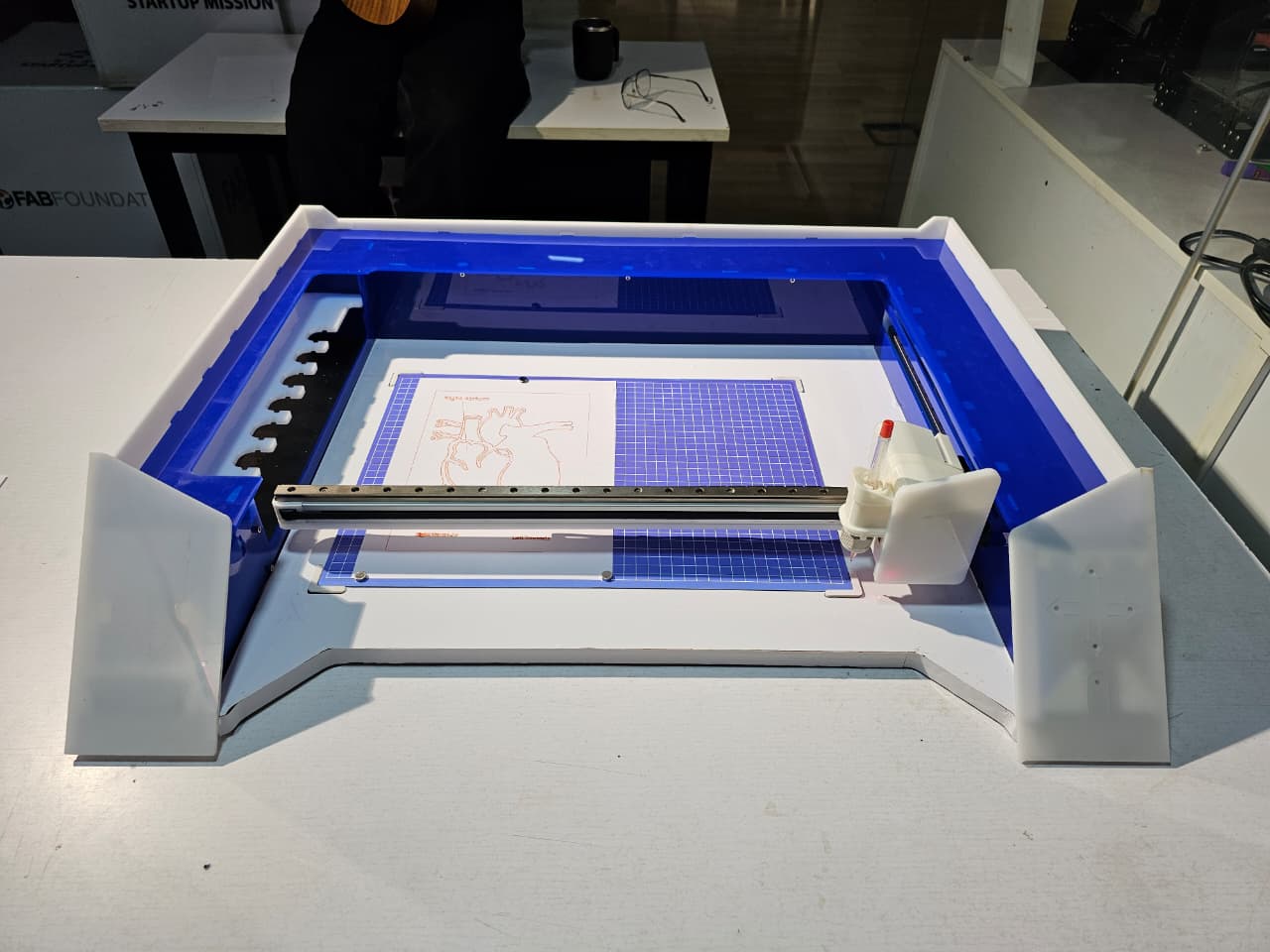
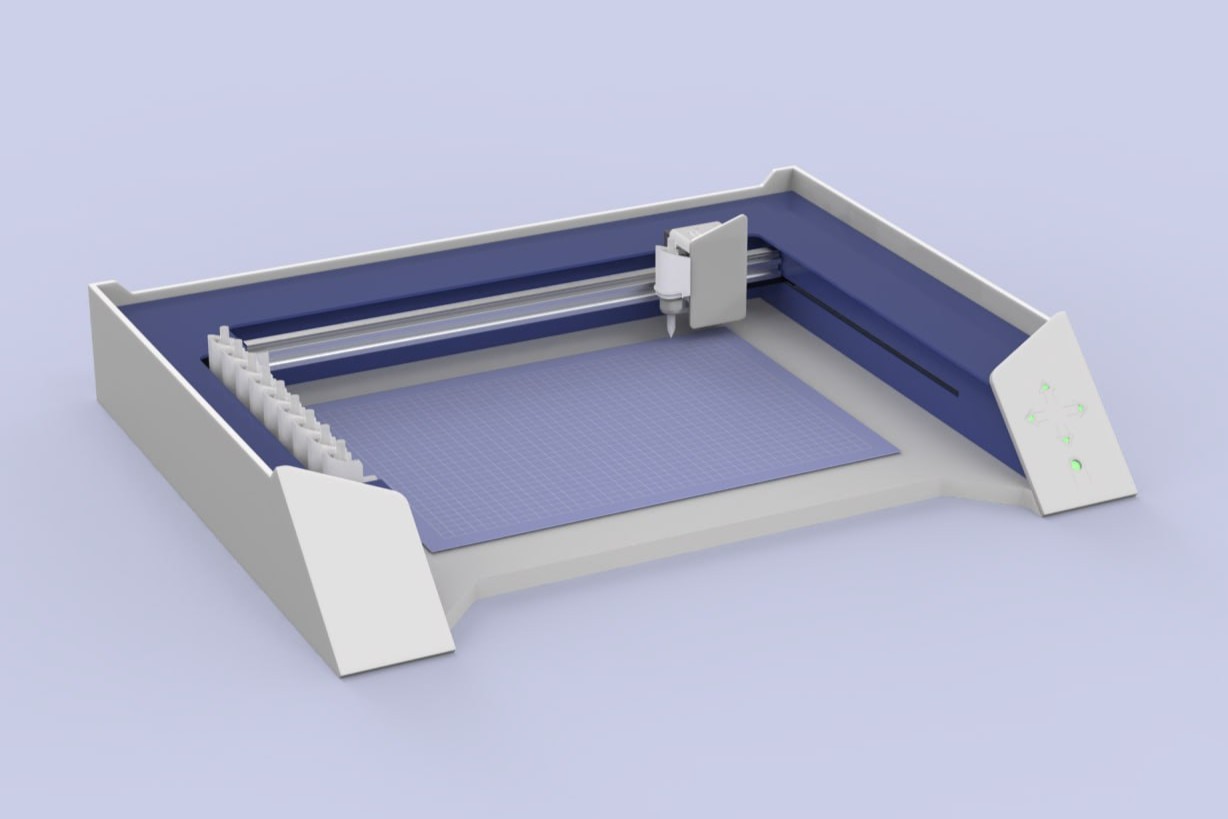
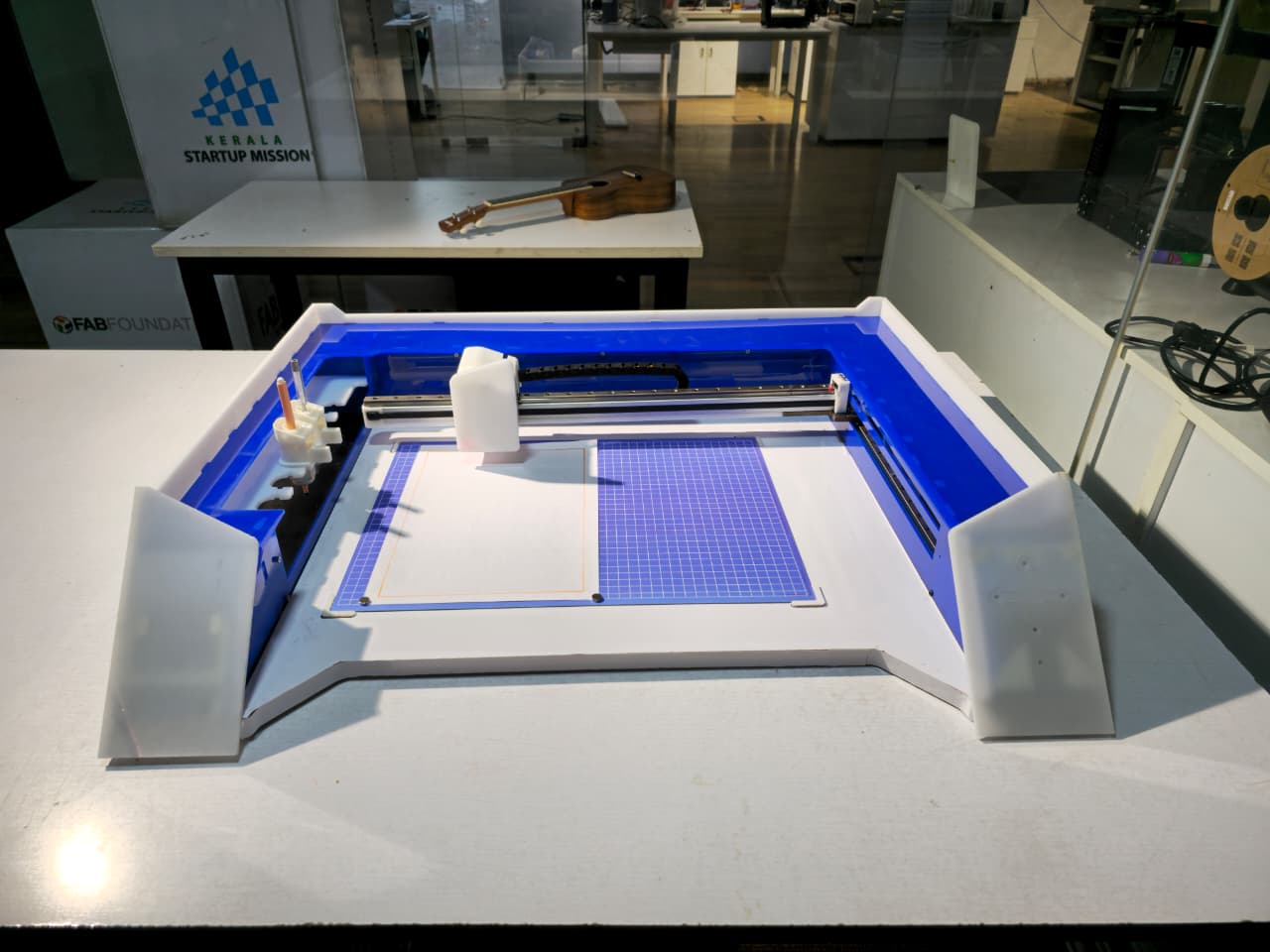
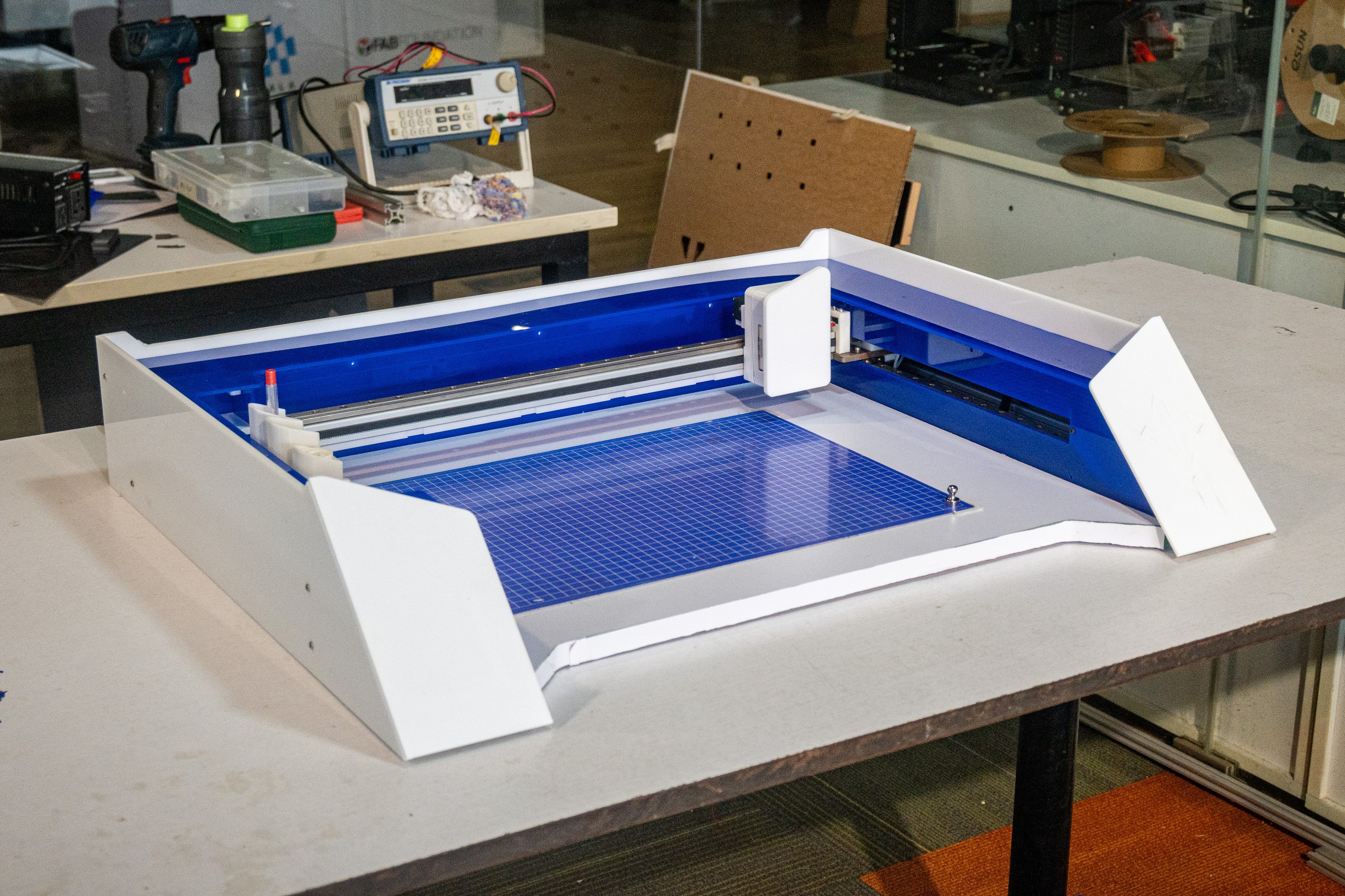
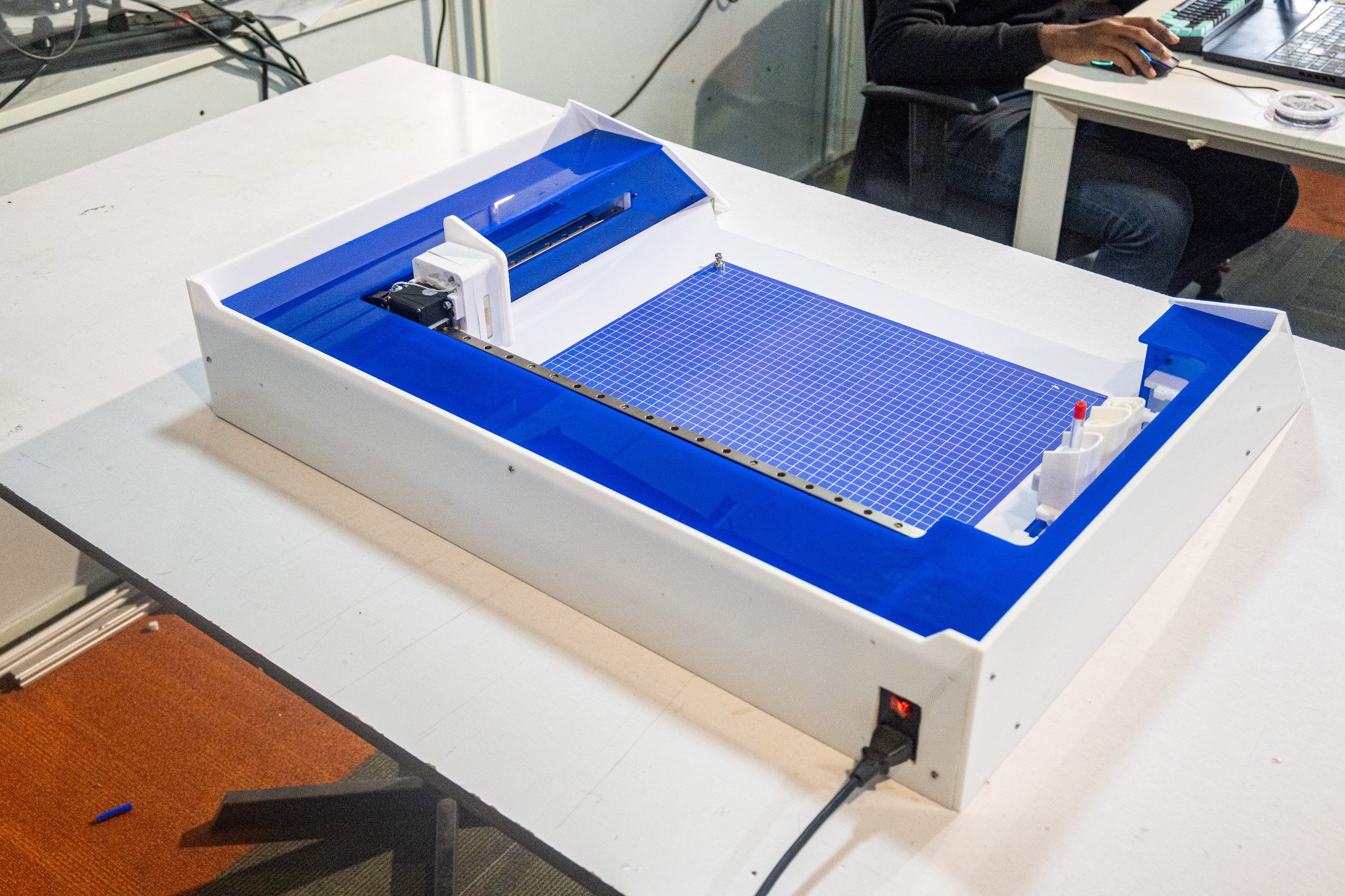
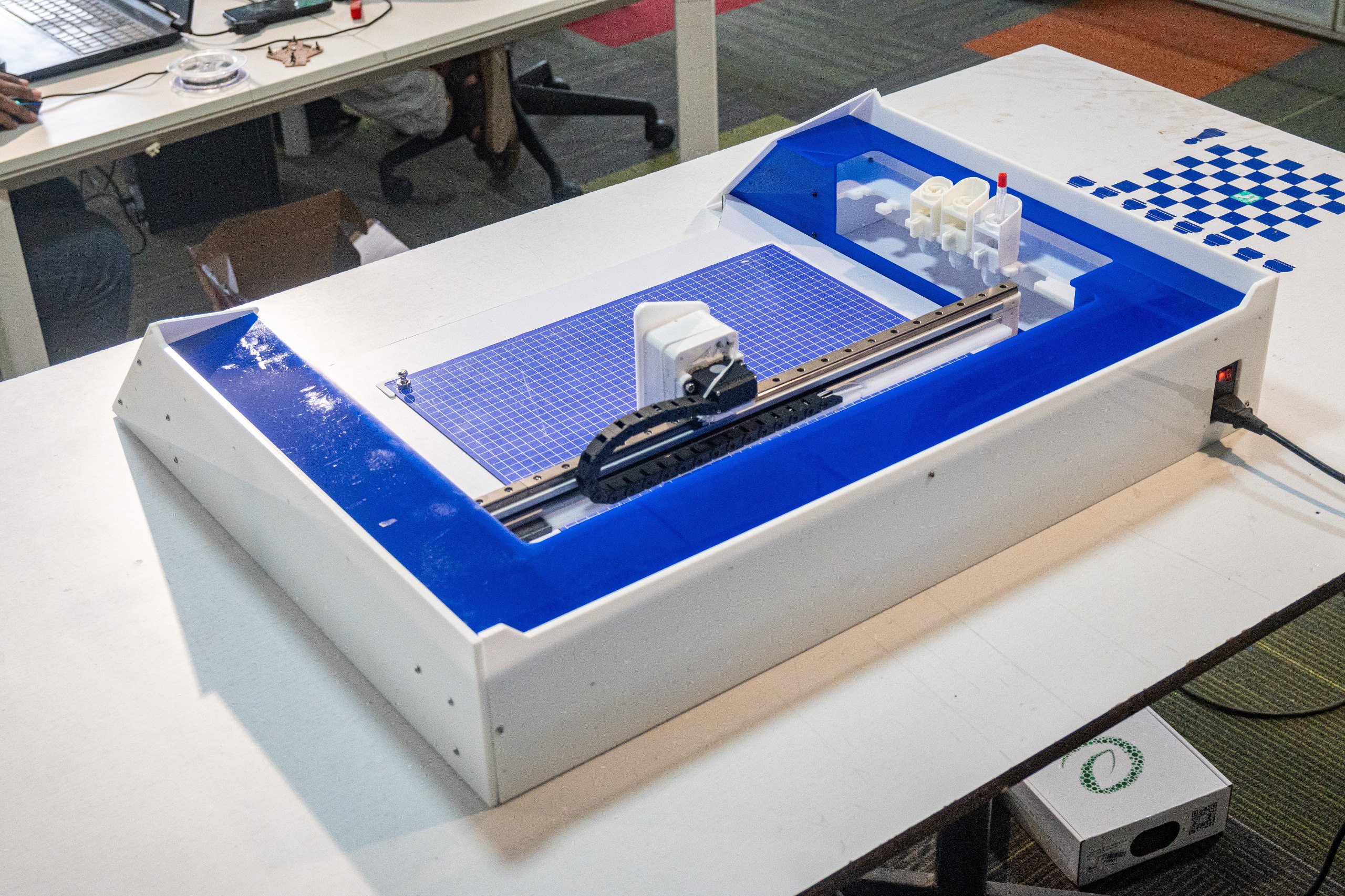
The MaxA3 is an upgraded version of the Poly Plot, optimized by debugging its mechanism, kinematics, and design to enhance performance, compactness, and user-friendliness.
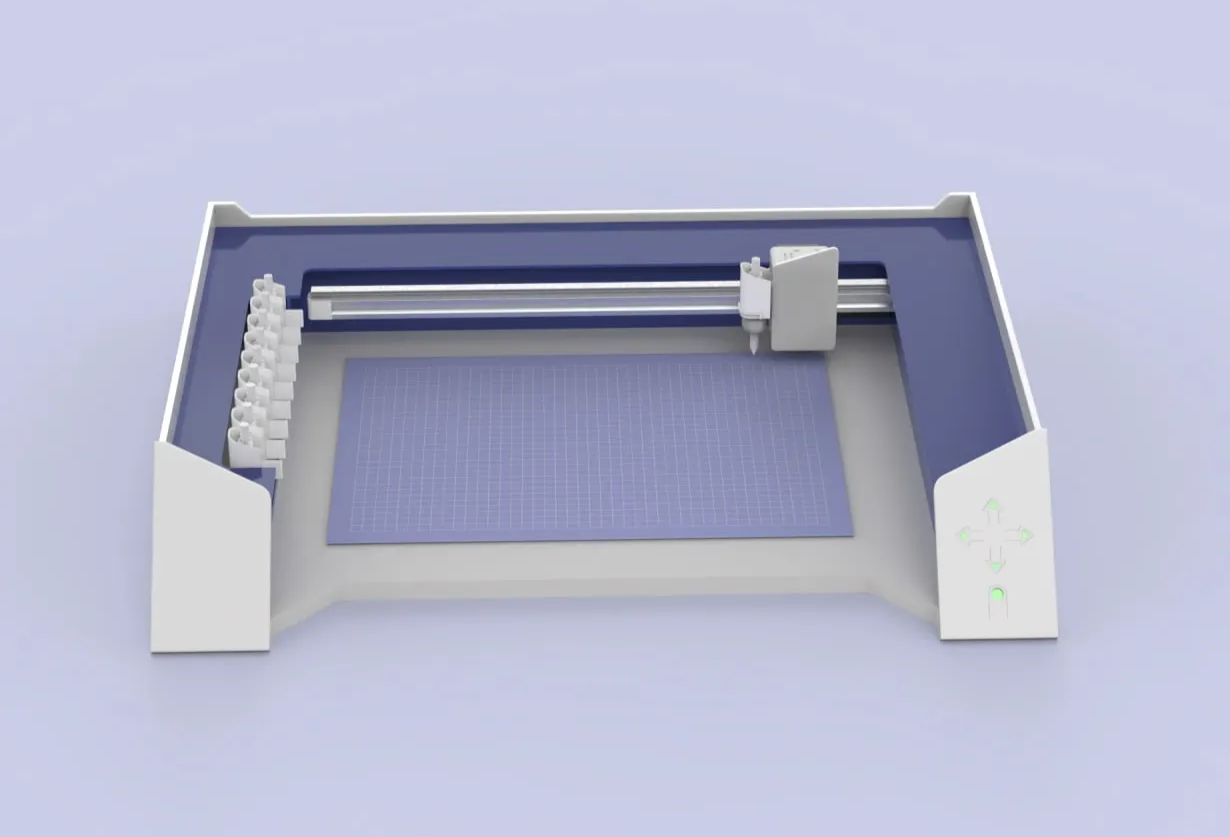
Designed as an open-source product, making CNC plotting technology accessible to new makerspaces in government high schools.
Built under the Centre for Early Innovation initiative, this project, a collaboration between FabLab Kerala and the MIT Center for Bits and Atoms , aims to simplify the understanding of CNC motion systems, digital fabrication, and automation for students.
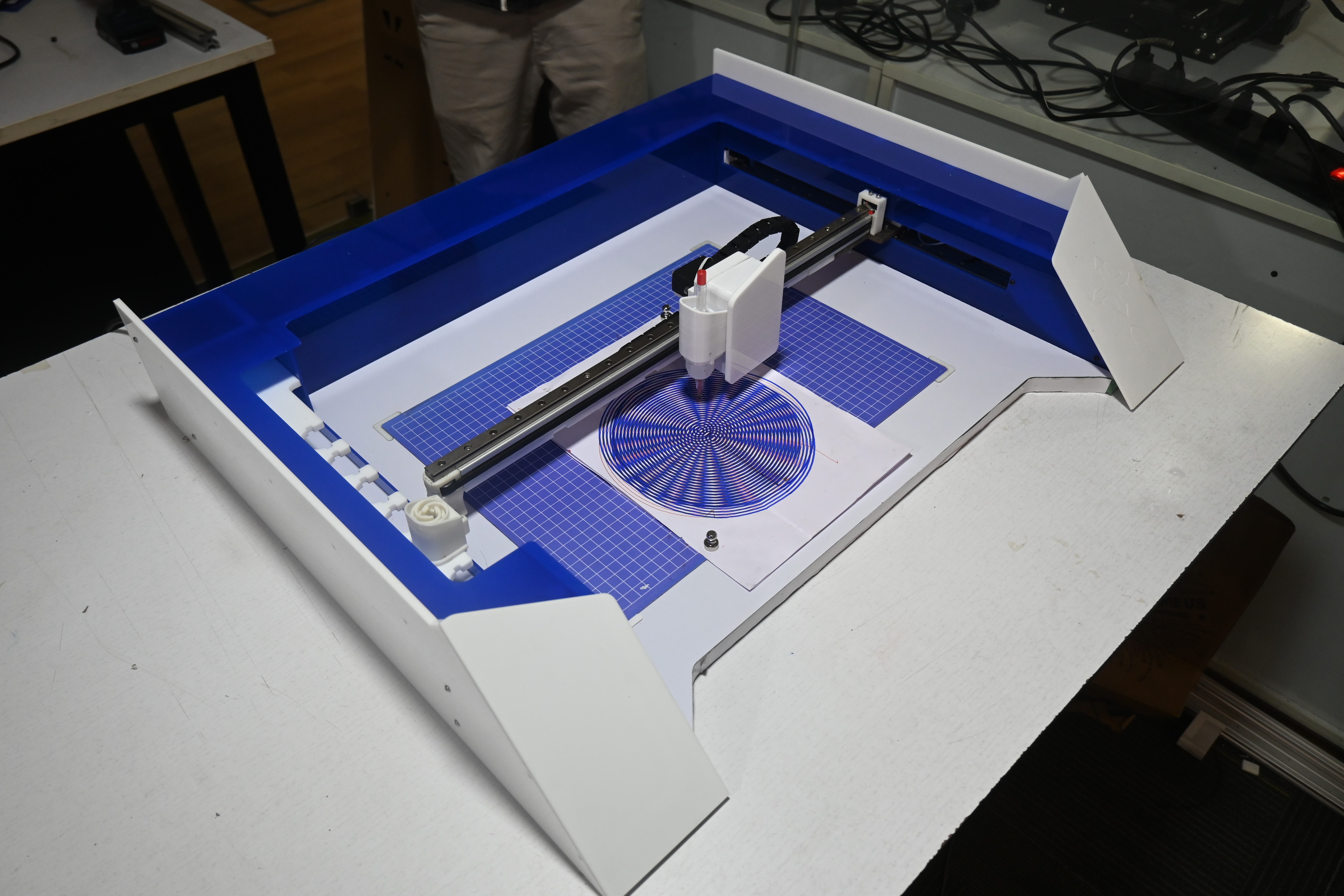
Max A3 demonstrates how computer-controlled machines bring digital drawings to life with precision and creativity.
The Idea and Inspiration
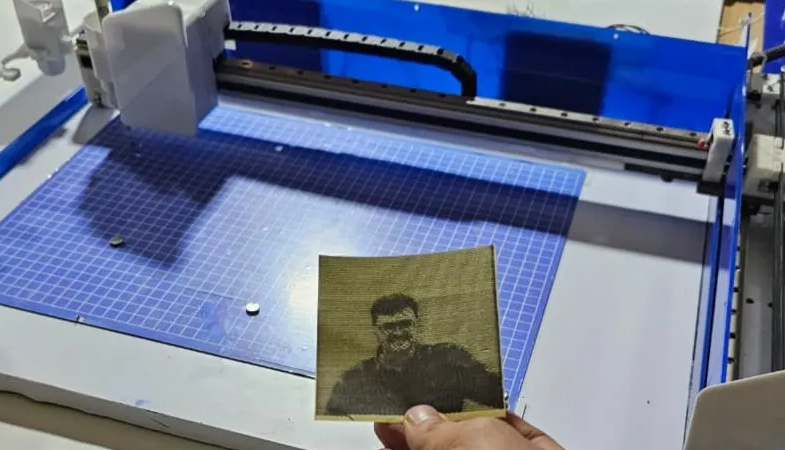
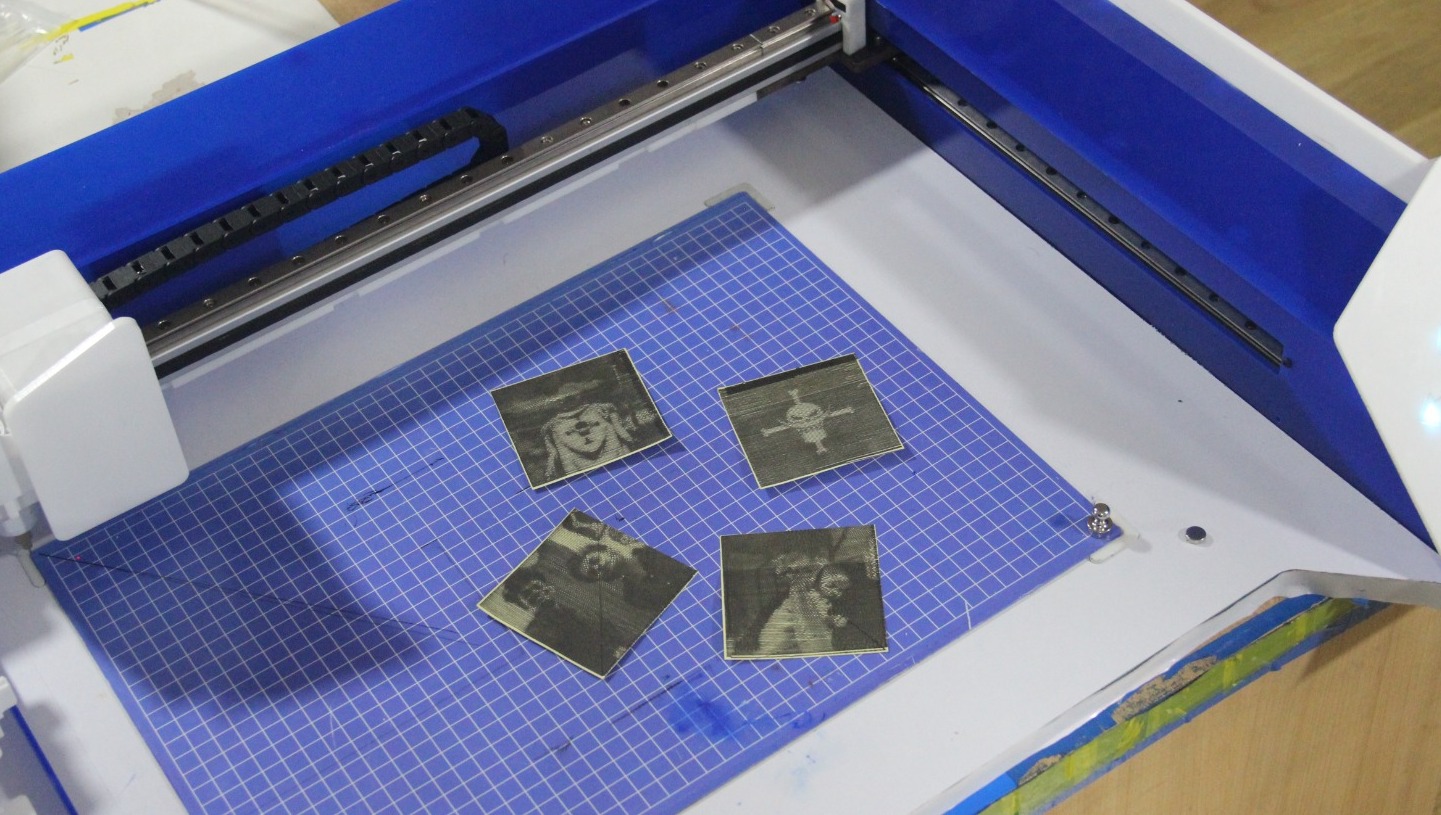
Beyond engineering and education, MaxA3 also celebrates creativity. Its precise motion system allows it to draw intricate patterns, geometric designs, and even abstract art, bridging the worlds of technology and artistic expression.
Engineering the System
- Machine Type: Educational 3-axis CNC plotter (A3 format).
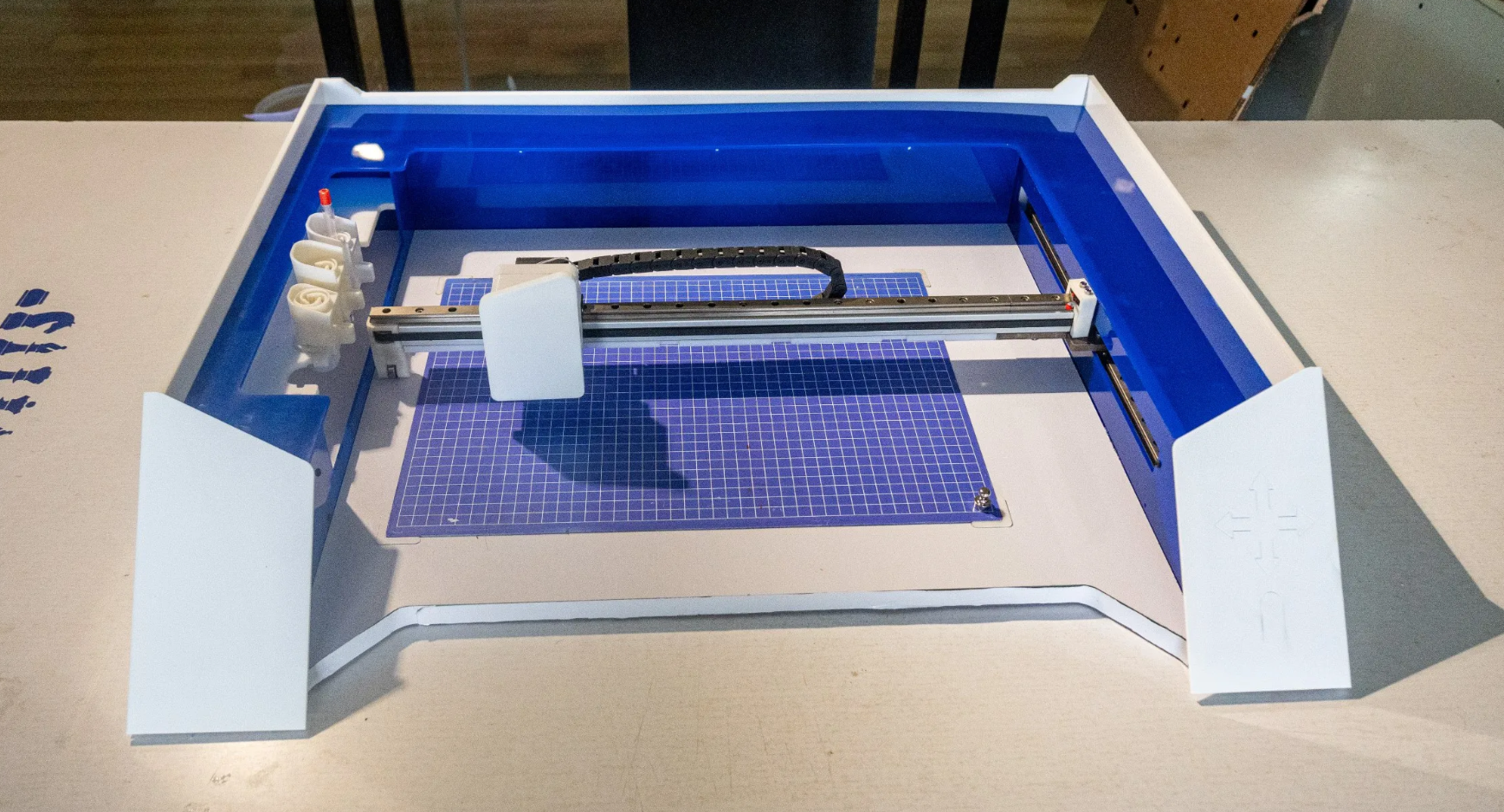
- Motion System: H-Bot configuration for smooth and synchronized XY motion.
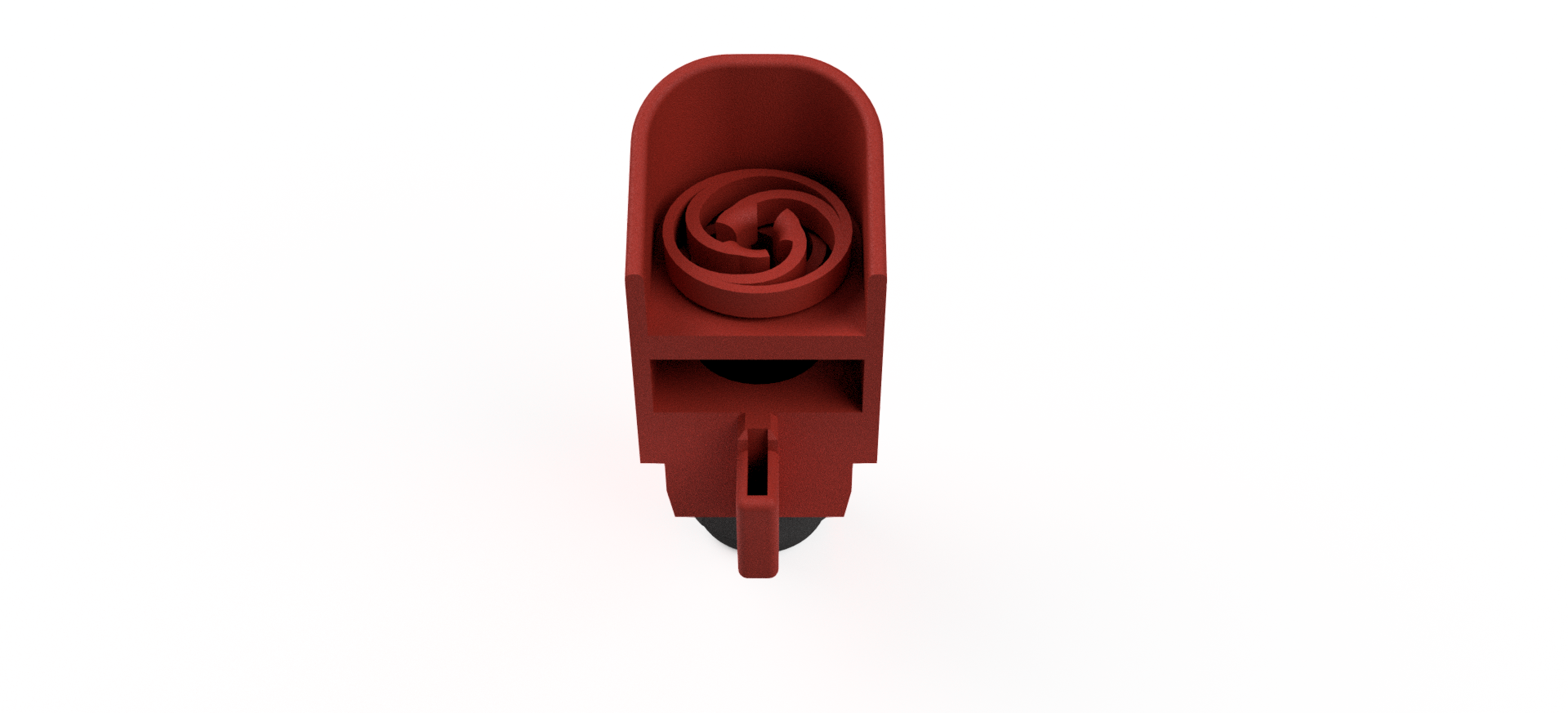
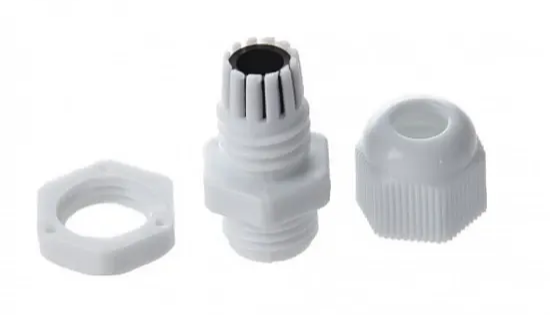
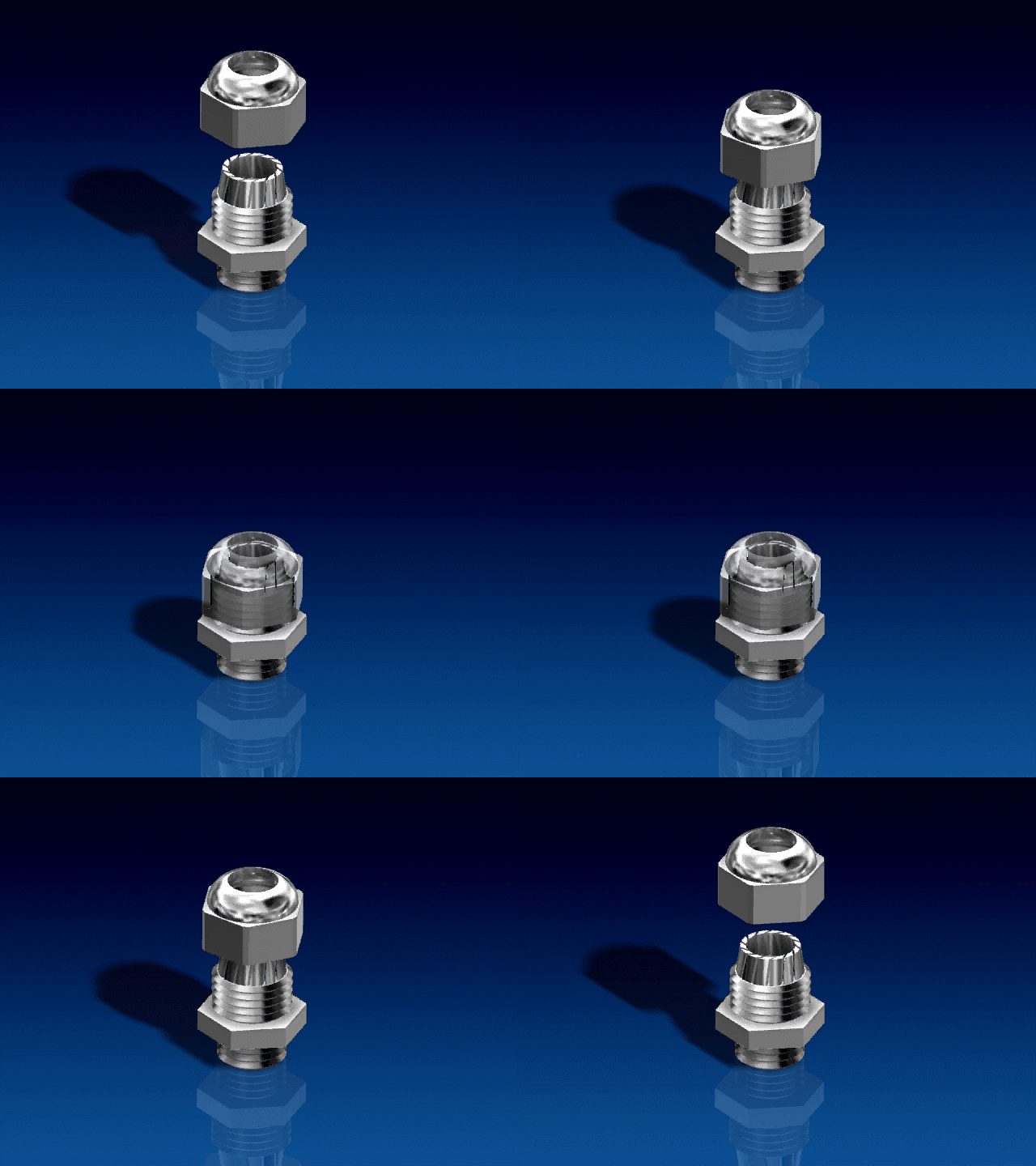
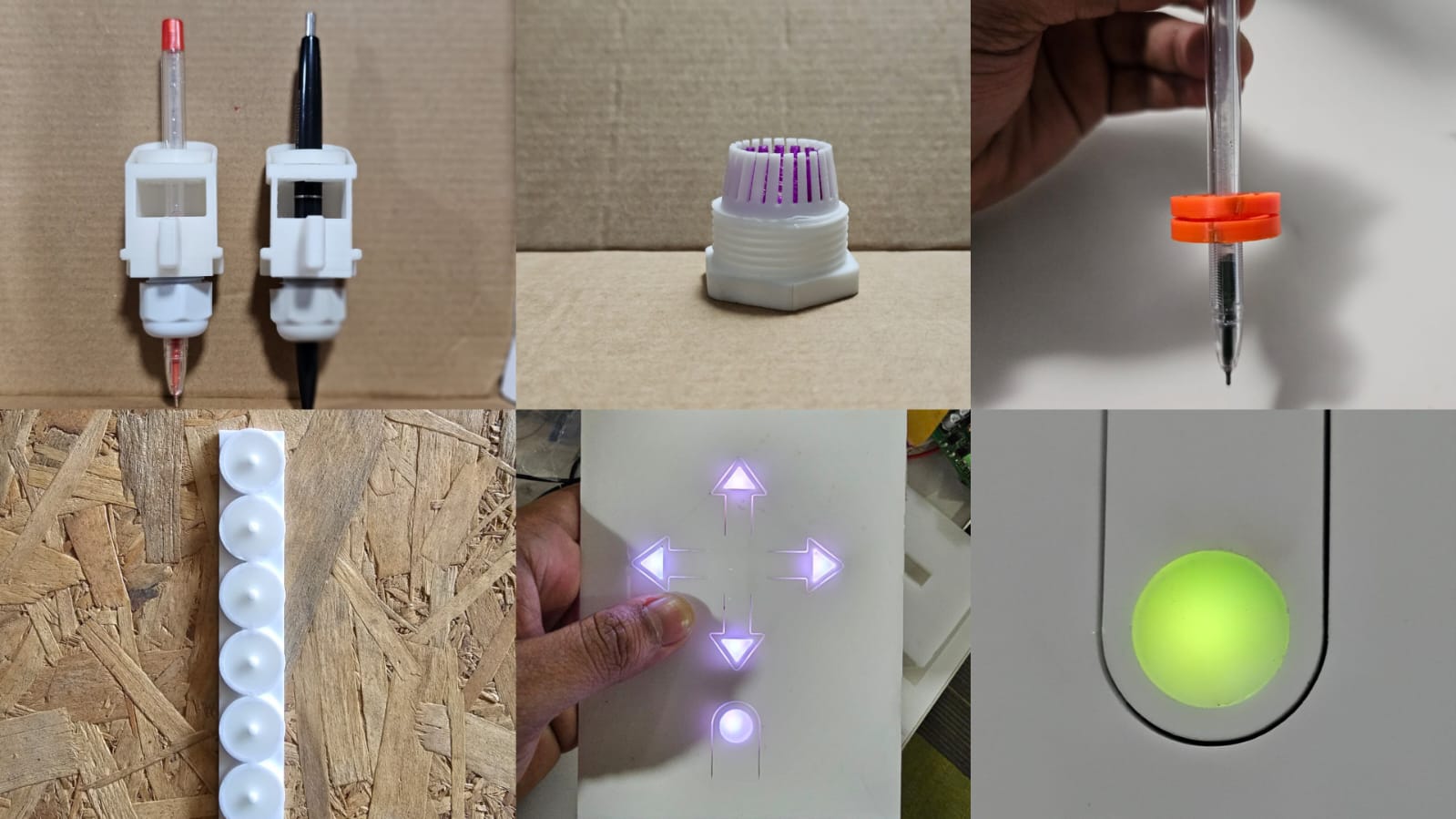
- Tool Changer: Flexure-based iris mechanism with magnetic latch system , compatible with 9–13 mm pens using PG13 connectors.
- Work Area: A3-sized bed (approx. 297 × 420 mm).
- Structure: Lightweight modular frame designed for easy assembly and maintenance.
- Design Software: Modeled in Fusion 360 .
- Machines Used: 3D Printer, Laser Cutter, Waterjet Cutter, Flatbed Cutter.
- Controller: ESP32 with G-code interpreter firmware for motion control.
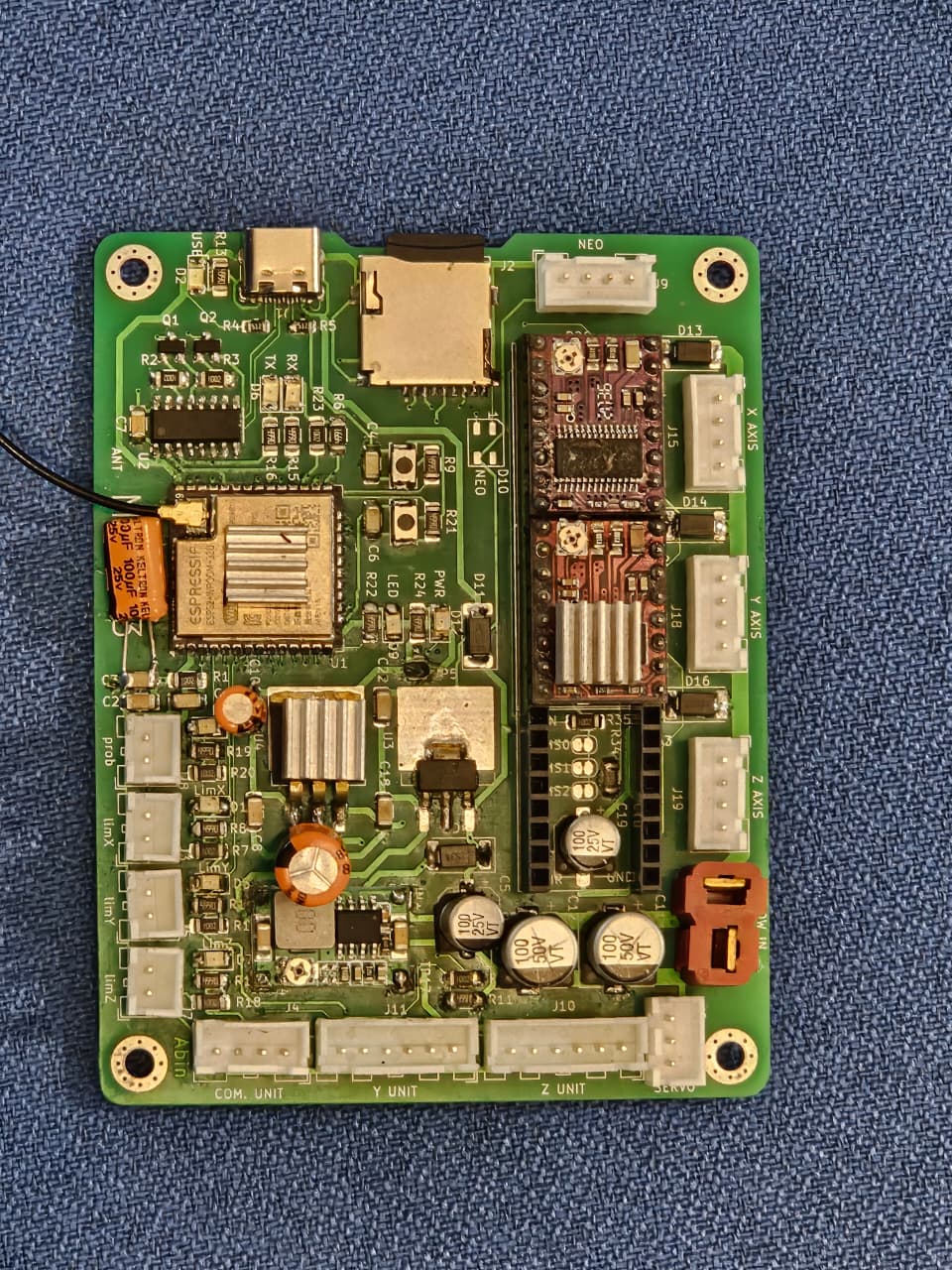
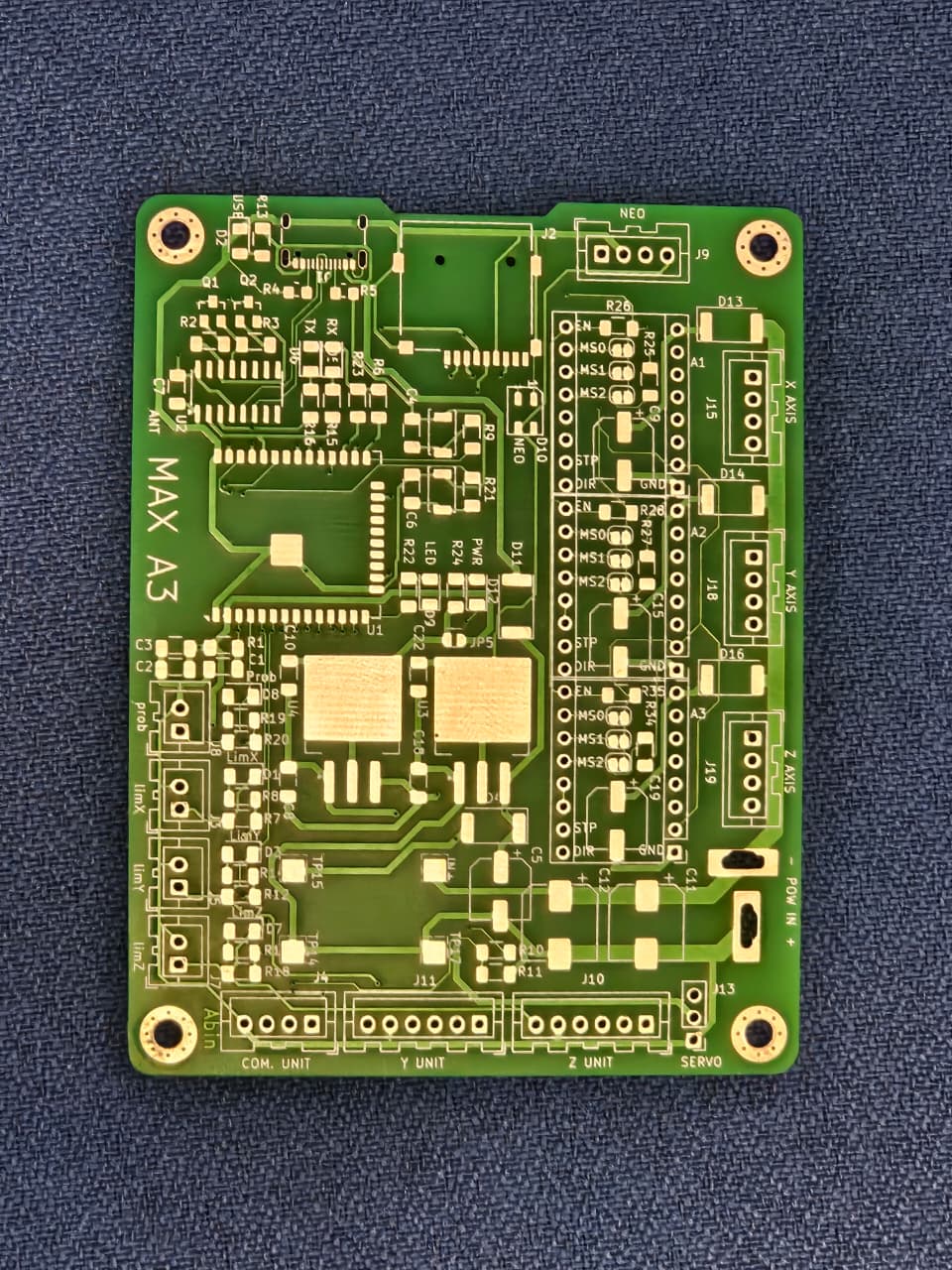
- Power & Electronics: Custom control board with DRV8825 stepper drivers and integrated end stops.
Principles and Mechanism
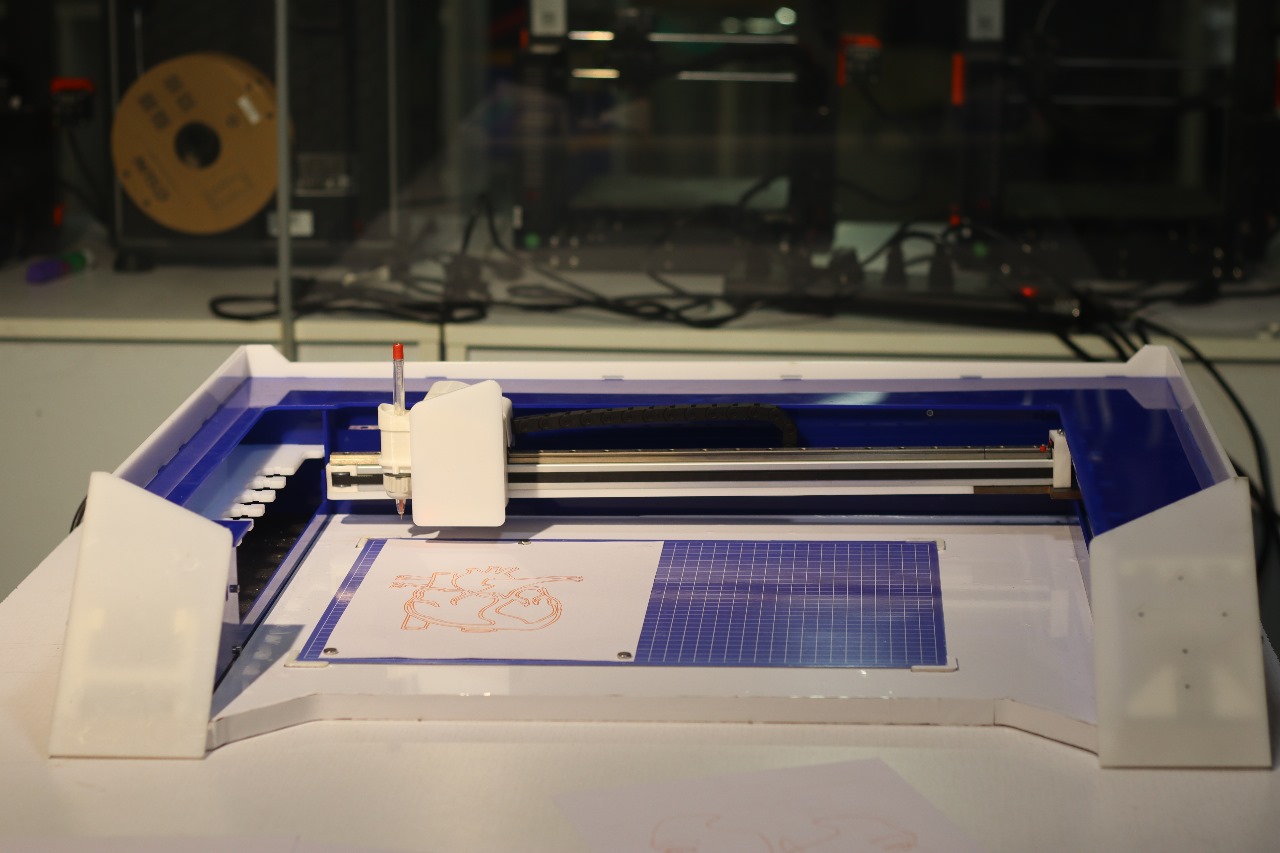
Development Phase
The journey of Max A3, from early design sketches and CAD modeling to prototyping, fabrication, assembly, and final testing. Each phase reflects the iterative design process, hands-on experimentation, and continuous refinement that shaped the machine into its final form.
Engineering Drawings & Fabrication
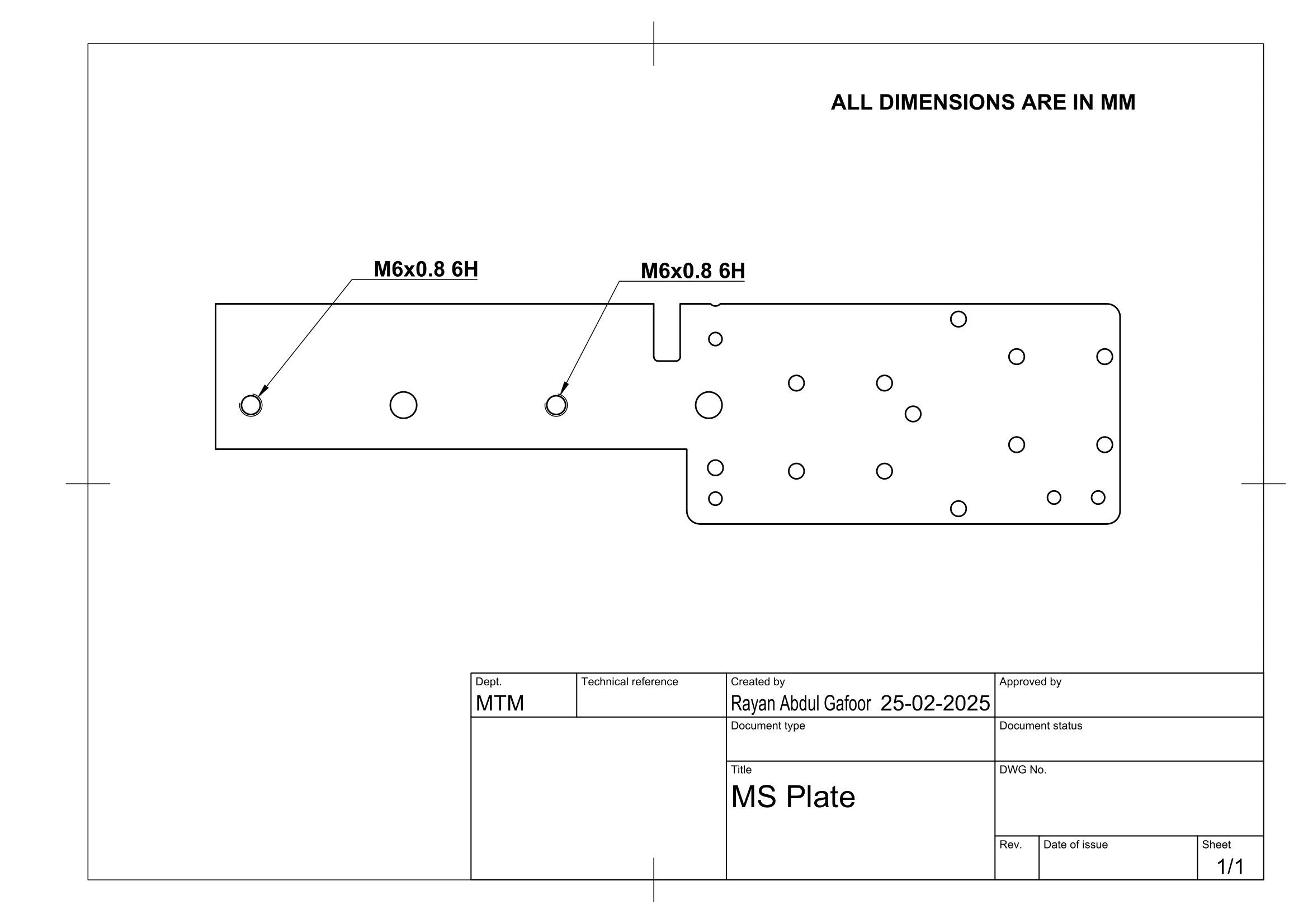
Detailed engineering drawings were created for each component to ensure accuracy during fabrication. The MDF bed was designed and manufactured using the Zünd digital cutter, allowing for clean, precise cuts and fast prototyping.
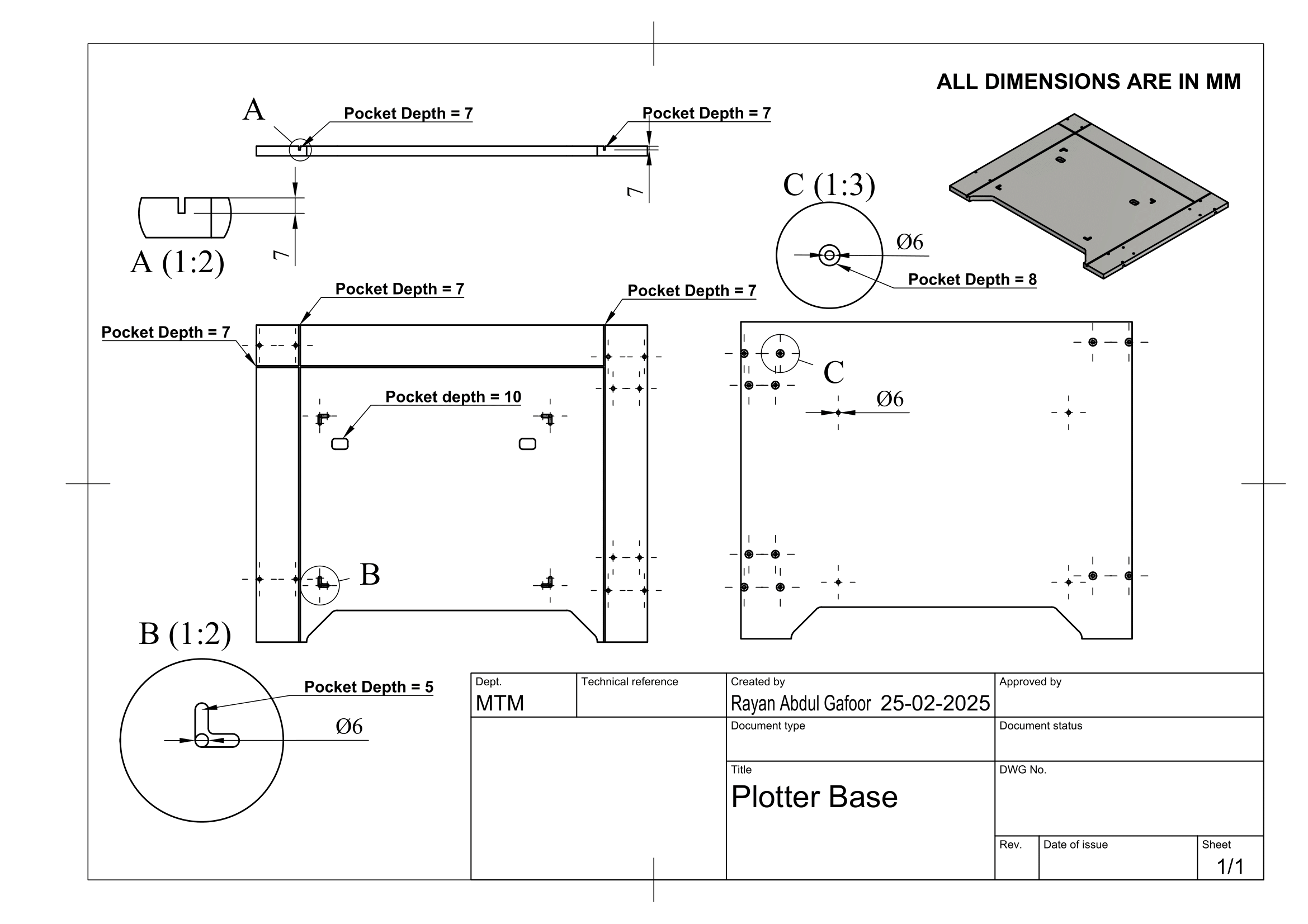
The MS (Mild Steel) base plate was subtractive manufactured using the OMAX waterjet cutter, chosen for its high precision and ability to cut complex geometries without thermal distortion.
Testing the Mechanism
After assembly, the mechanical and motion systems of Max A3 were rigorously tested to ensure smooth and precise operation. The process included calibrating the H-Bot motion , verifying ATC tool changes , and fine-tuning the Z-axis lift mechanism for consistent pen contact.
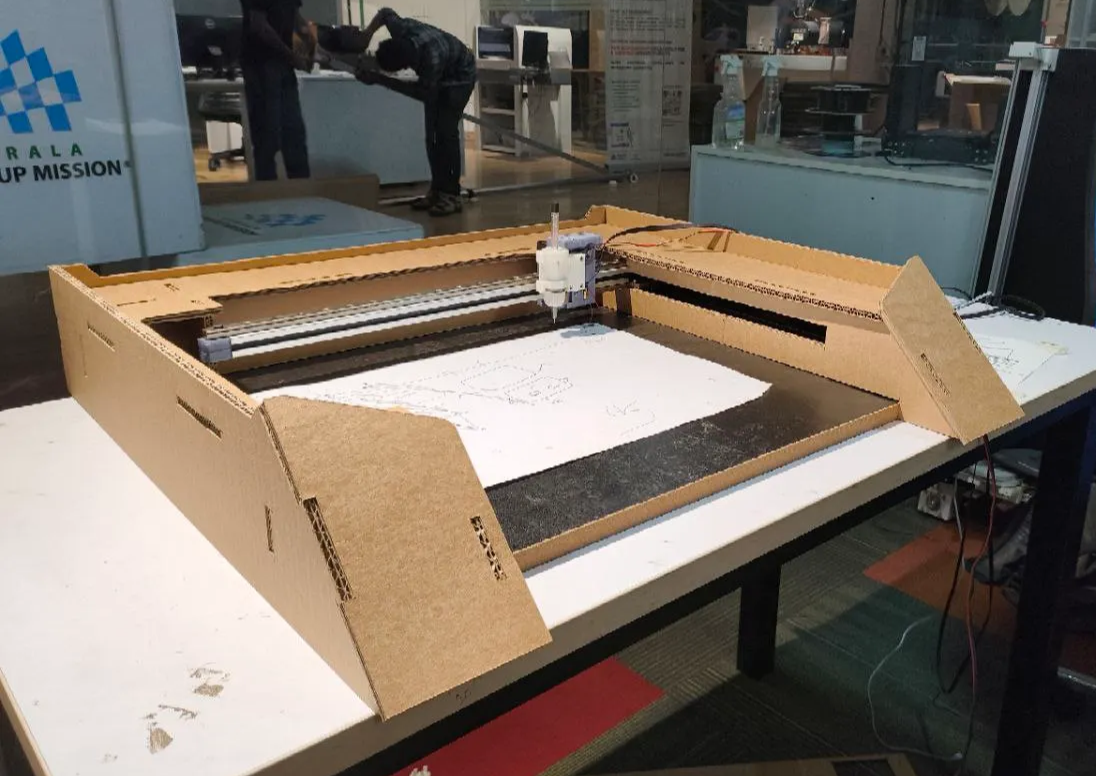
Cardboard Form Mockup
A cardboard form mockup of Max A3 was created during the early development phase to study the machine’s proportions, component placement, and motion range . This quick, low-cost prototype helped the team validate design choices before moving into fabrication.
Automatic Tool Changer (ATC)
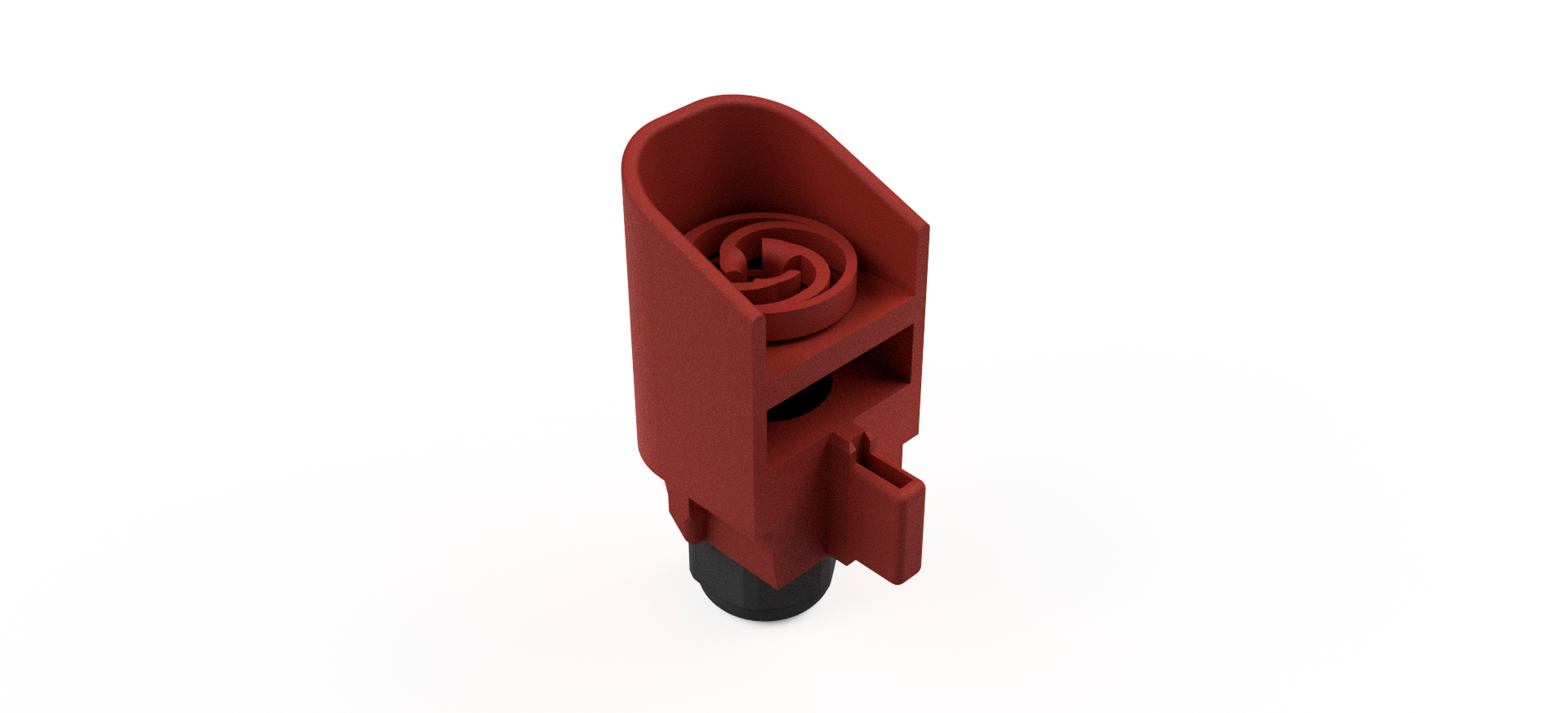
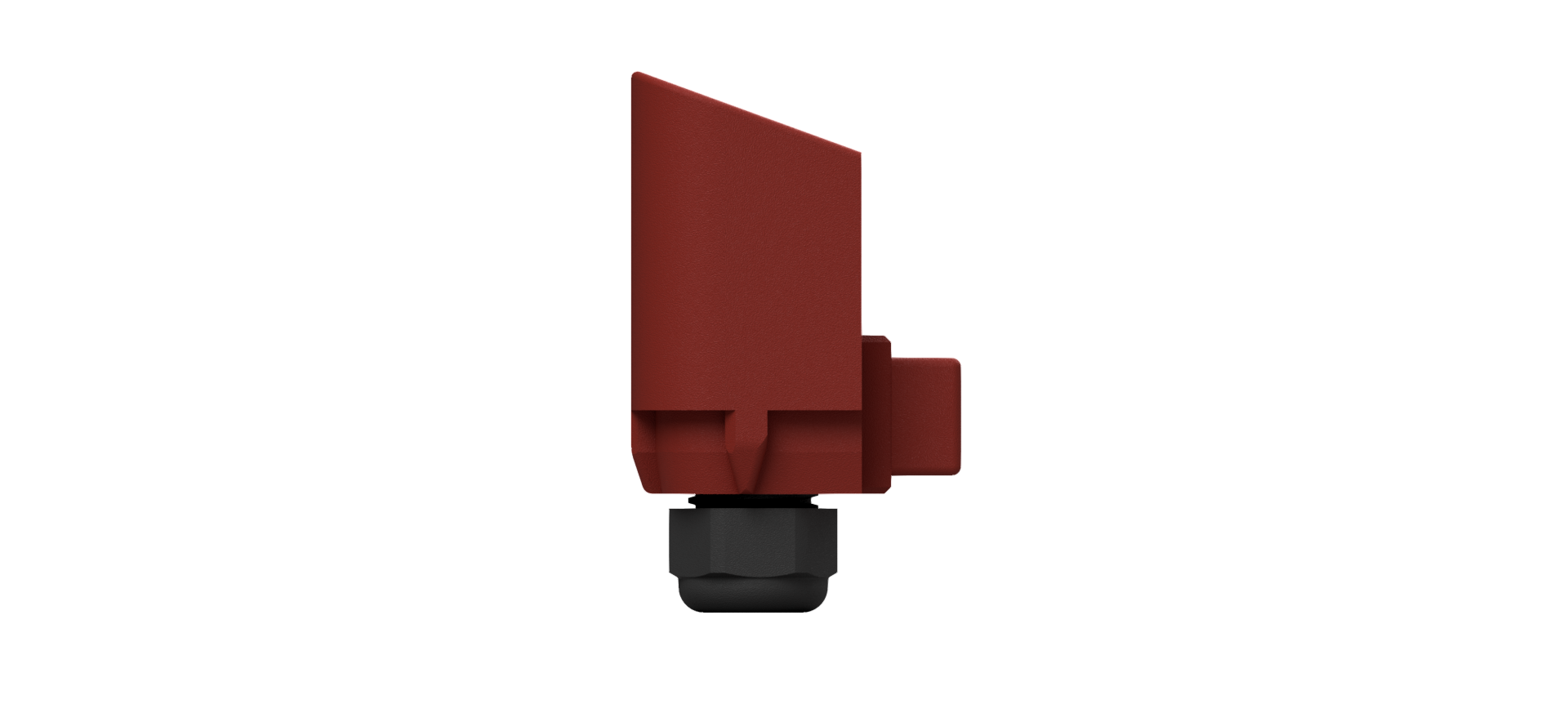
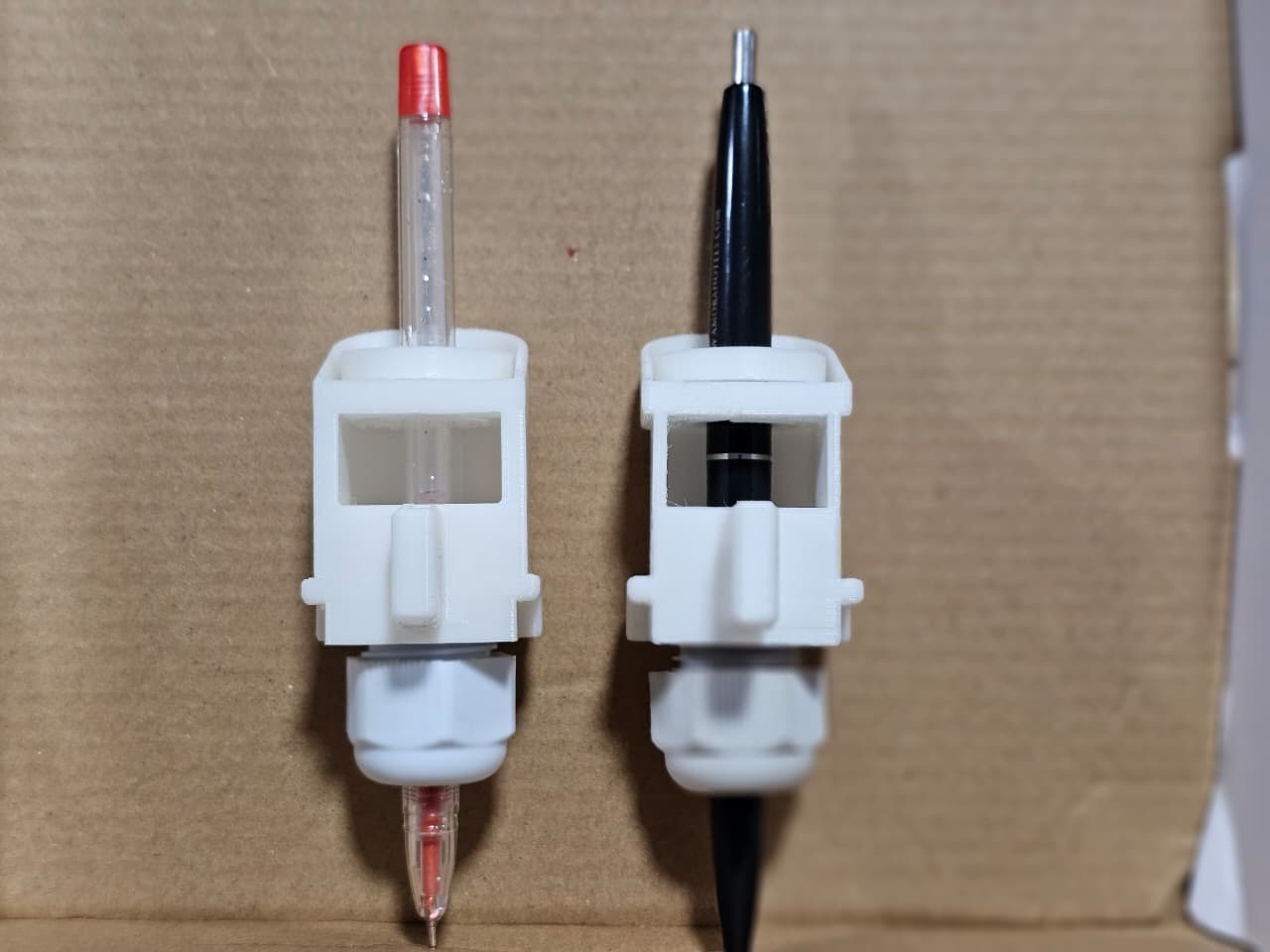
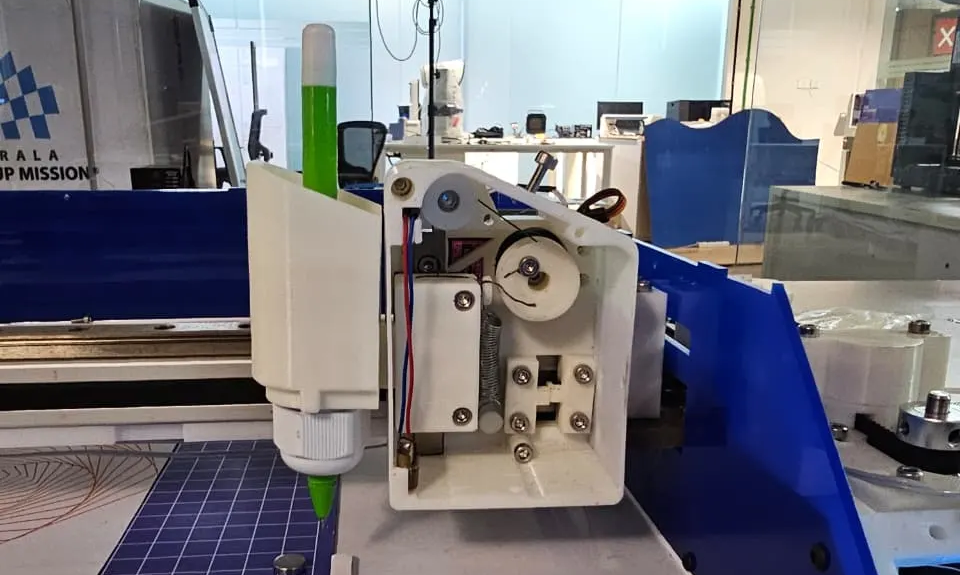
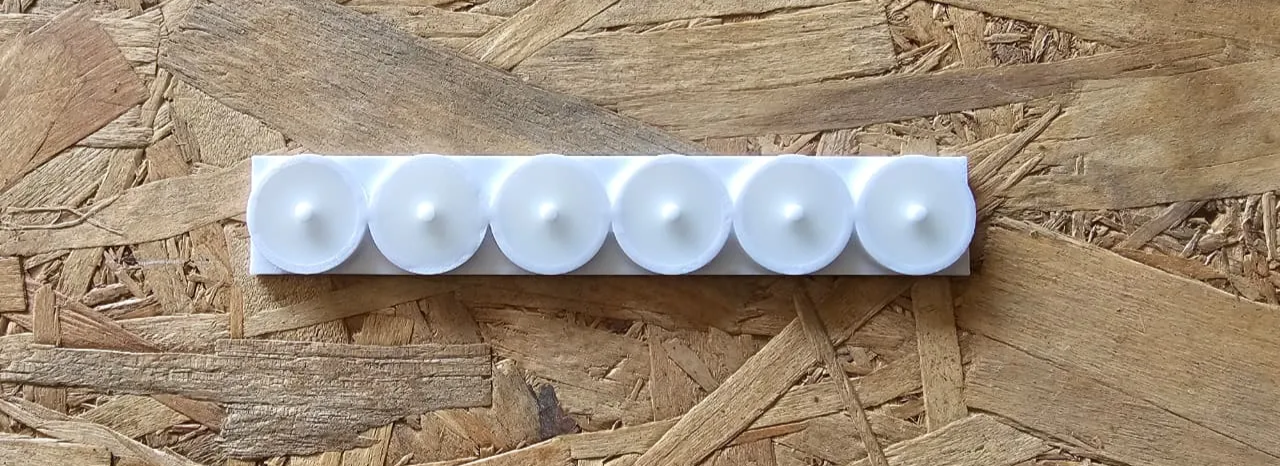
To prevent the ink from drying out when the pen remains exposed for long durations, a silicone cap was custom-casted to cover the pen tip when not in use. The flexible silicone material creates an airtight seal, maintaining the pen’s moisture and ensuring consistent ink flow during future operations.
System Integration
Outputs