Project Overview
The Leg Walking Mechanism Motion Simulation was developed to investigate the kinematic behavior of a planar multi-link walking mechanism using MotionGen . The objective of the project is to simulate the coordinated motion of a robotic leg and evaluate its walking characteristics before physical fabrication.
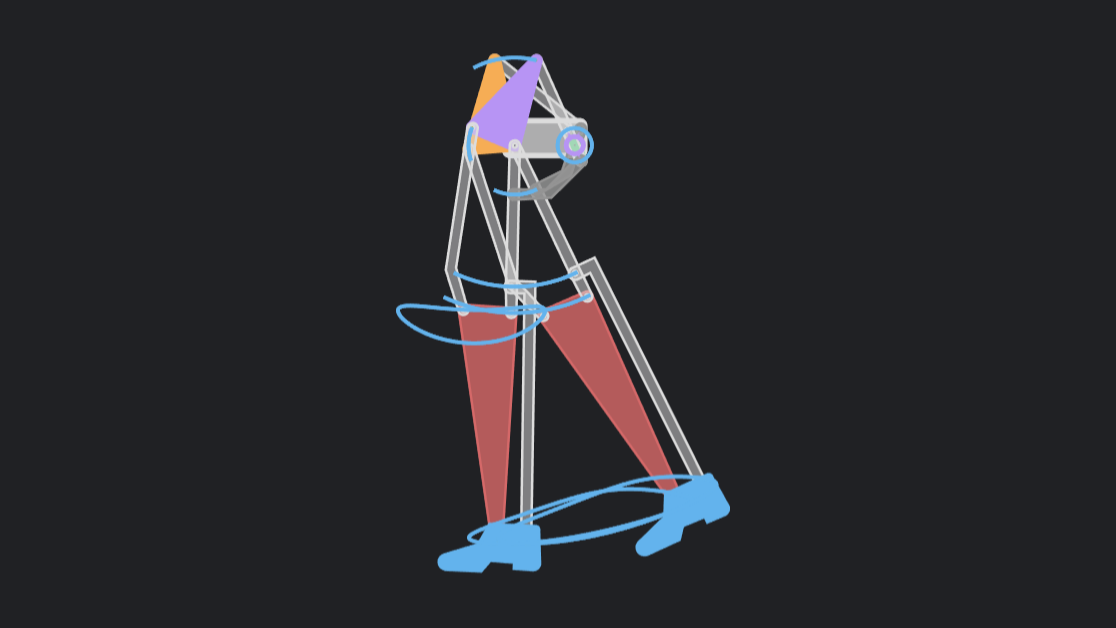
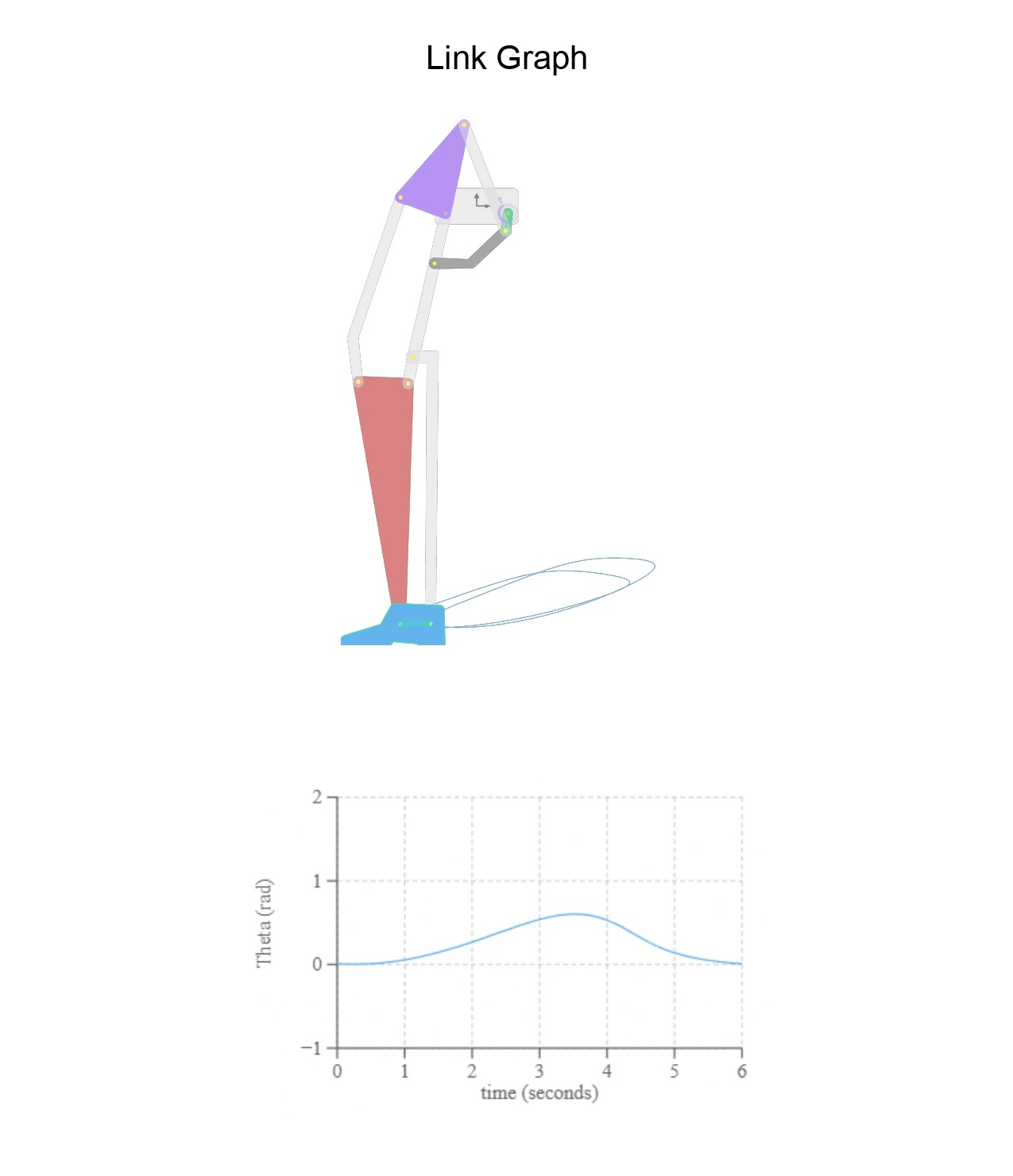
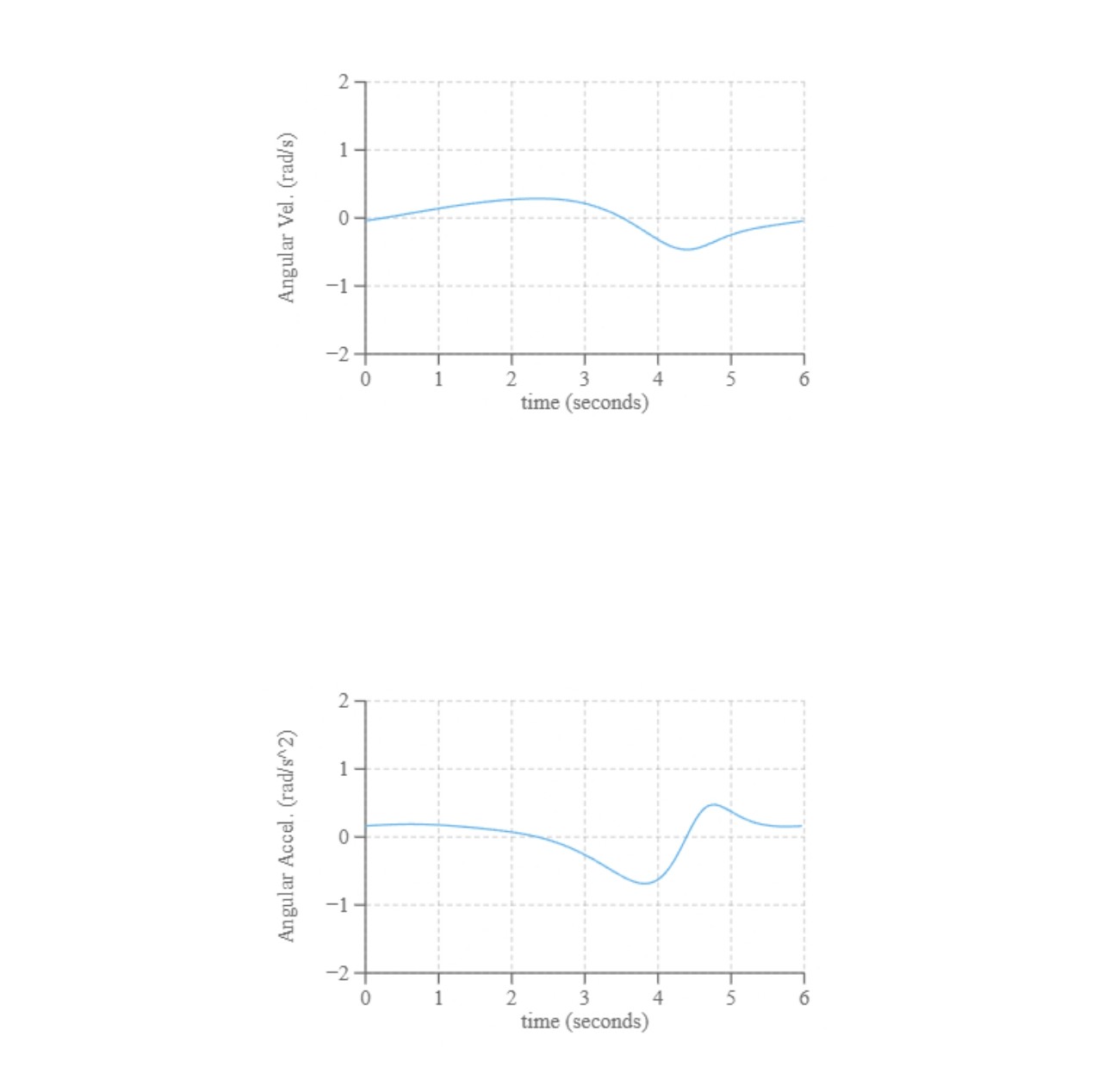
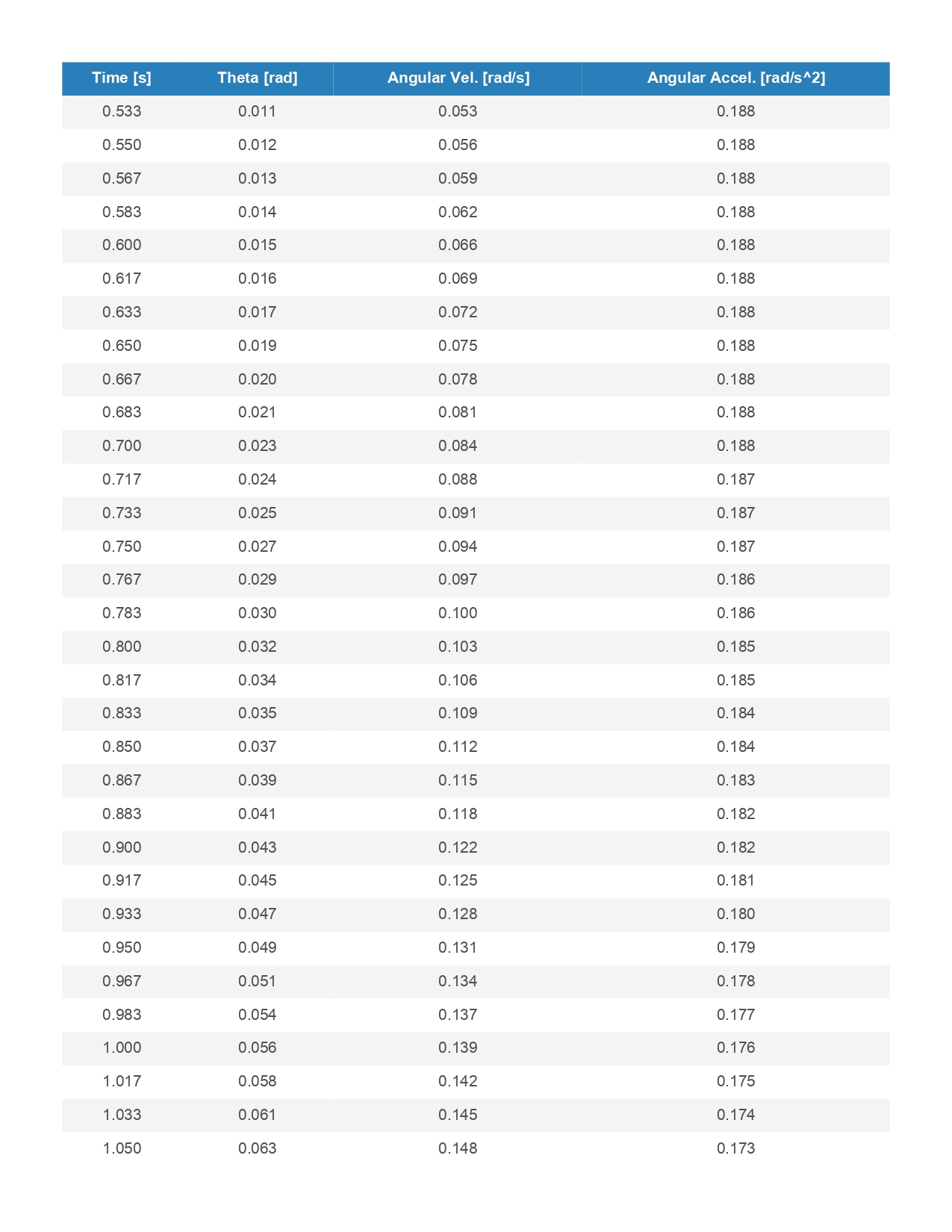
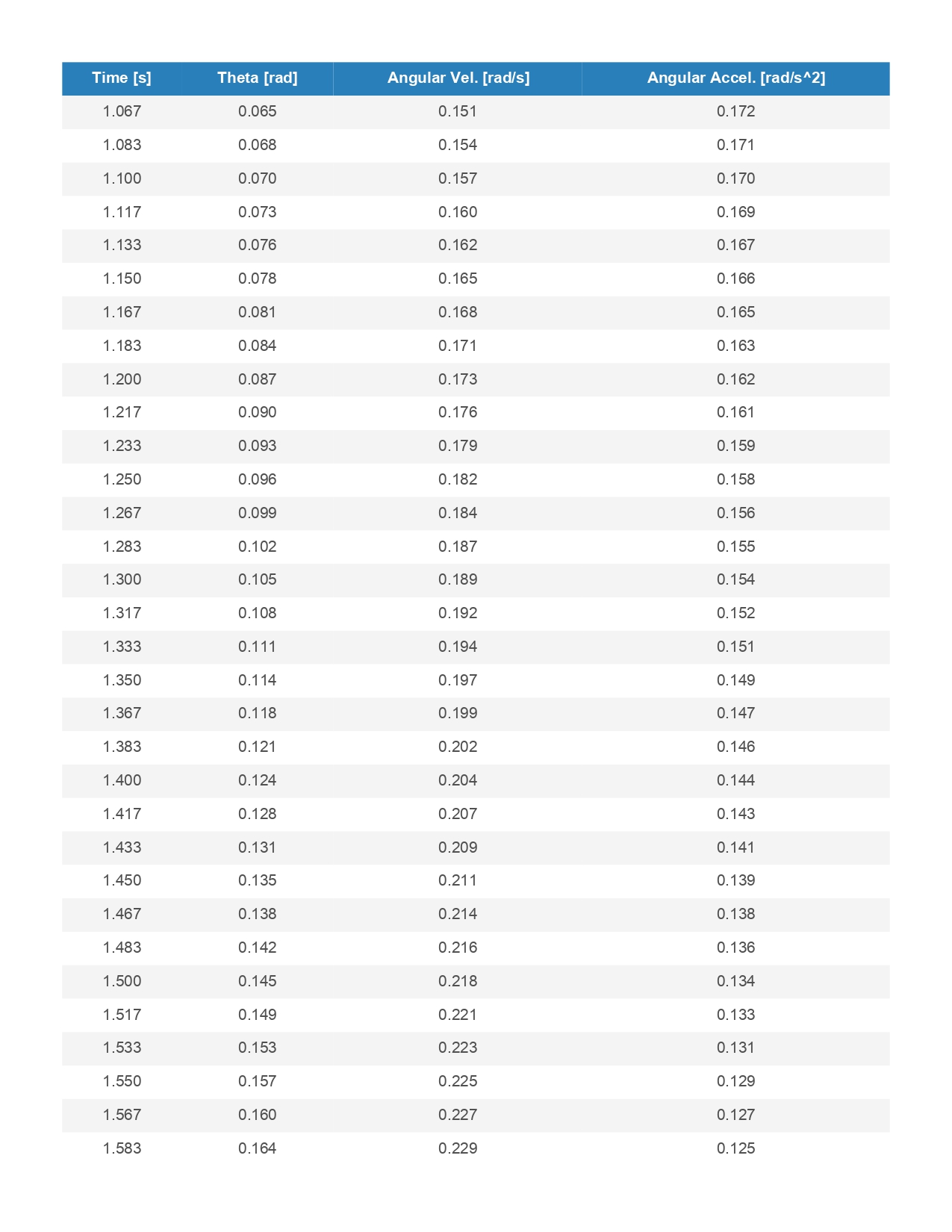
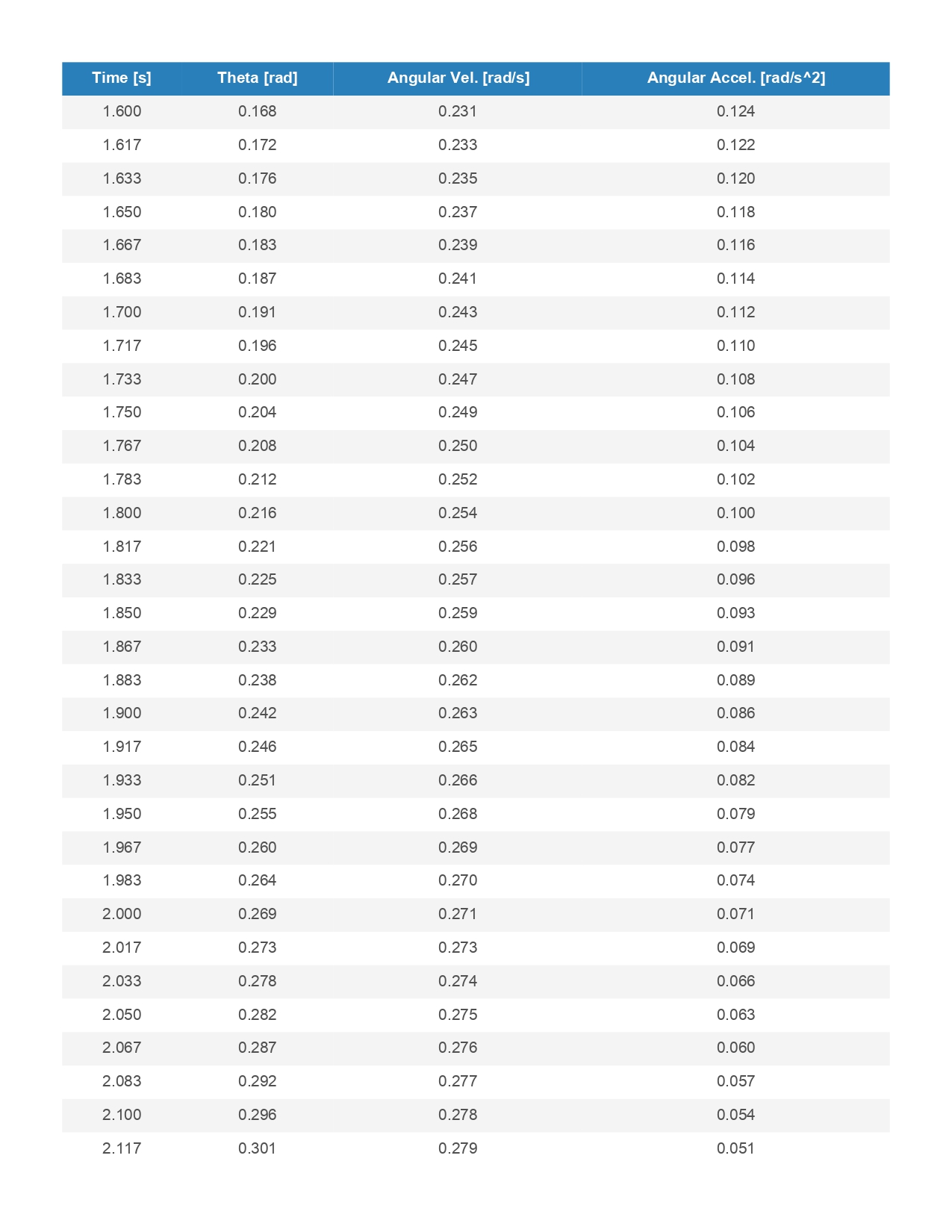
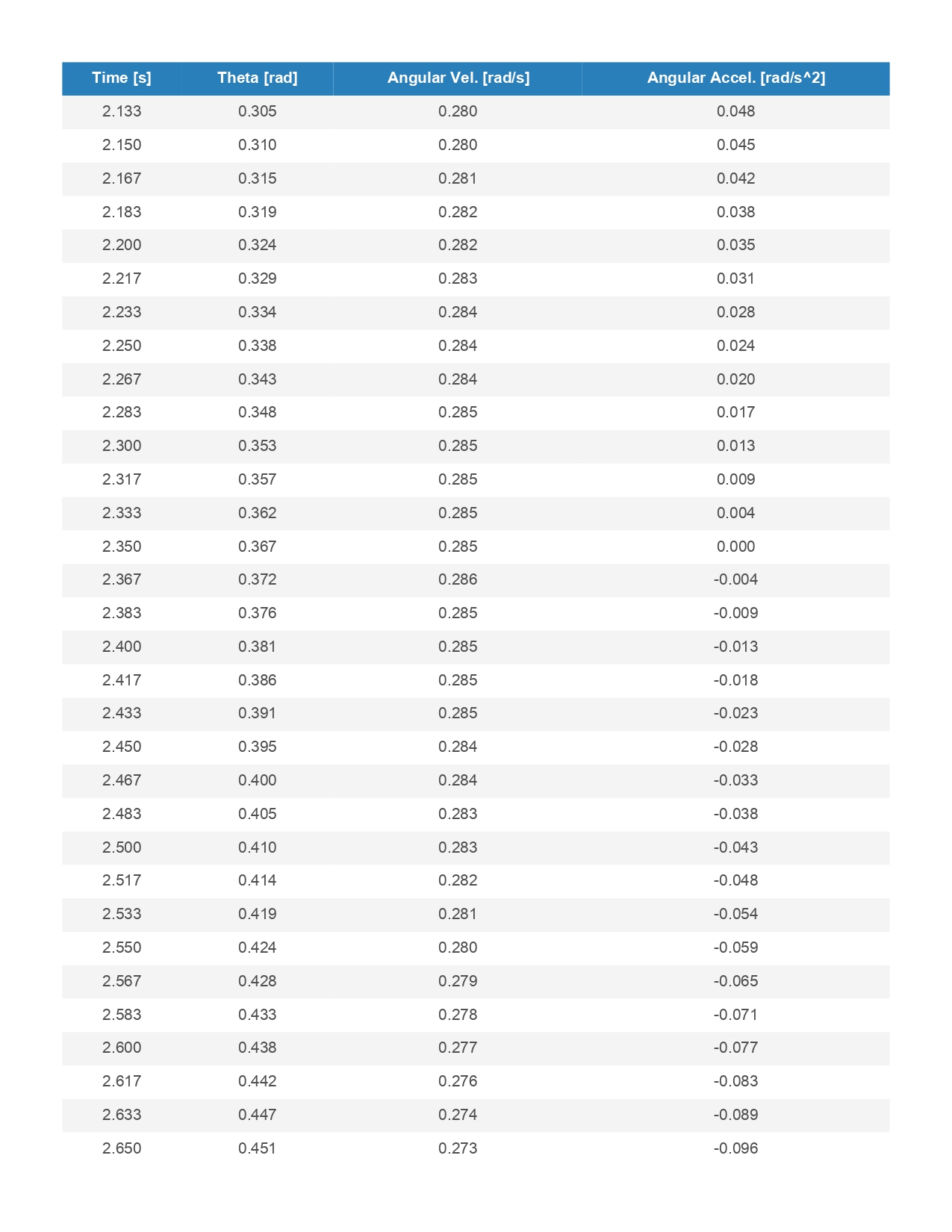
The simulation demonstrates how multiple interconnected links generate a stable walking trajectory through a single rotational input. MotionGen computes the mechanism's position, angular displacement, angular velocity, and angular acceleration throughout the gait cycle, enabling detailed analysis of the leg's dynamic performance. The first page of the report shows the linkage configuration together with the angular displacement profile over time.
Objective
The primary objectives of this project are to:
- Design a planar multi-link walking mechanism.
- Simulate the walking motion using MotionGen.
- Analyze joint kinematics throughout one gait cycle.
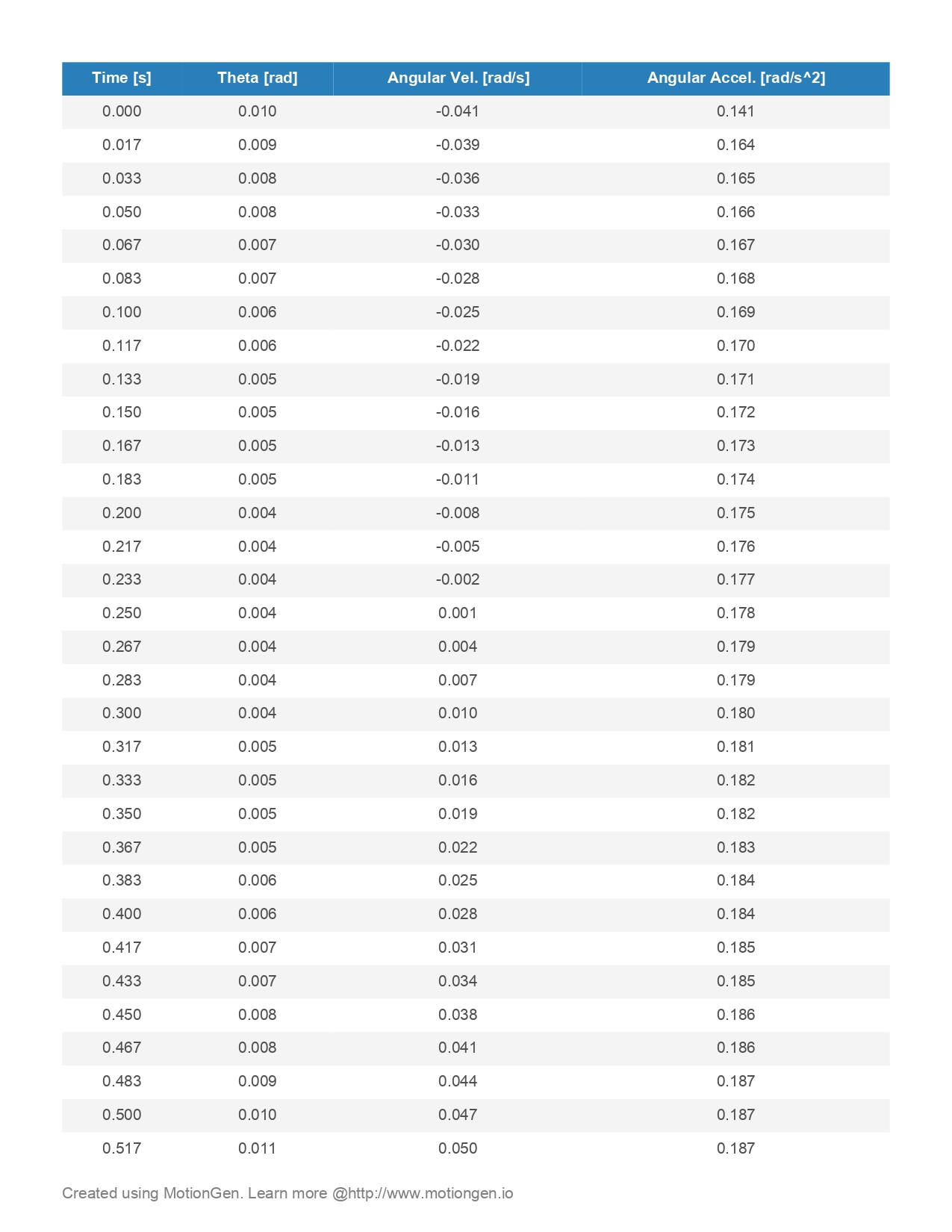
- Evaluate angular displacement, velocity, and acceleration.
- Verify smooth foot trajectory during stance and swing phases.
- Optimize linkage dimensions before fabrication.
- Validate walking performance through virtual simulation.
Software Used
- MotionGen
- 2D Planar Mechanism Simulation
- Kinematic Motion Analysis
Mechanism Description
The mechanism consists of interconnected rigid links connected through revolute joints to emulate the motion of a walking leg. A single input crank drives the linkage, producing coordinated movement of the upper leg, lower leg, and foot through constrained mechanical motion.
The linkage converts continuous rotary motion into a walking gait, allowing the foot to follow a repeatable trajectory. This type of mechanism is commonly employed in walking robots and biomimetic locomotion research. The report includes the complete linkage graph and a continuous time history of the joint angle.
Applications
The walking mechanism can be applied in:
- Legged robots
- Biomimetic robotic systems
- Walking robot prototypes
- Educational robotics
- Mechanical linkage design
- Gait analysis research
- Bio-inspired locomotion systems
Advantages
- Smooth walking motion
- Efficient linkage-based locomotion
- Single actuator operation
- Simple mechanical construction
- Repeatable gait generation
- Easy kinematic optimization
- Reduced design iterations through simulation